
From Hand-Drawn Sketches to CGI: How Animation Evolved
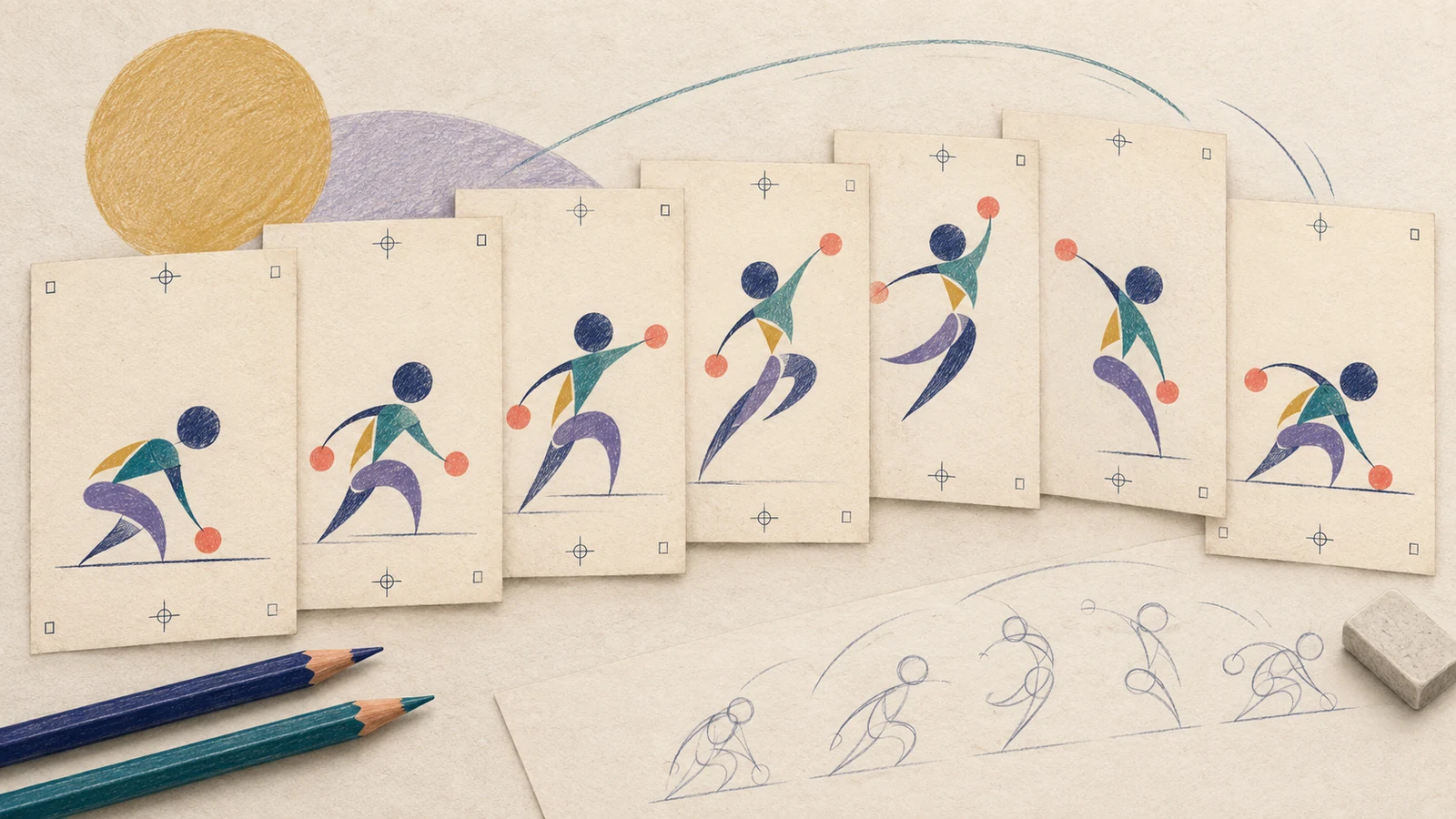
Animation started with a basic visual principle: rapidly displayed still images can create perceived motion. Early makers explored related ideas through shadow plays; spinning discs, flipbooks, and sequential drawings more directly tested perceived motion from rapidly displayed images. Each experiment addressed a practical question about timing, movement, or visual continuity. Gradually, artists added character expression, painted settings, recorded sound, color, and controlled camera movement. Those advances formed a durable storytelling discipline that now serves cinema, television, education, advertising, and interactive media.
Why the Past Matters
The history of animation shows how creative ideas developed alongside technical solutions. Early drafts established timing, while painted backgrounds supplied location and atmosphere. Later studios introduced synchronized audio, color processes, and layered photography. Each addition changed what a scene could communicate. Character behavior became more precise, emotional pacing gained flexibility, and audiences received stories that felt increasingly intentional, coherent, and visually persuasive.
The First Moving Drawings
A landmark in Modern animation arrived in 1908, when French artist Émile Cohl released Fantasmagorie. The short used roughly 700 sequential drawings, photographed frame by frame to produce continuous movement. Winsor McCay advanced the form through Gertie the Dinosaur in 1914. His film used thousands of drawings to give its title character a distinct personality and was presented with live-action interaction.
The Golden Age
During the 1930s, animation became a major cinema attraction. Snow White and the Seven Dwarfs, released in 1937, was Disney's first fully animated feature and a landmark American Technicolor animated film. Its commercial success demonstrated that audiences would follow illustrated characters through an extended narrative. The production also united music, comedy, drama, and visual detail within a carefully paced format that felt substantial rather than supplemental.
Depth, Sound, and Character
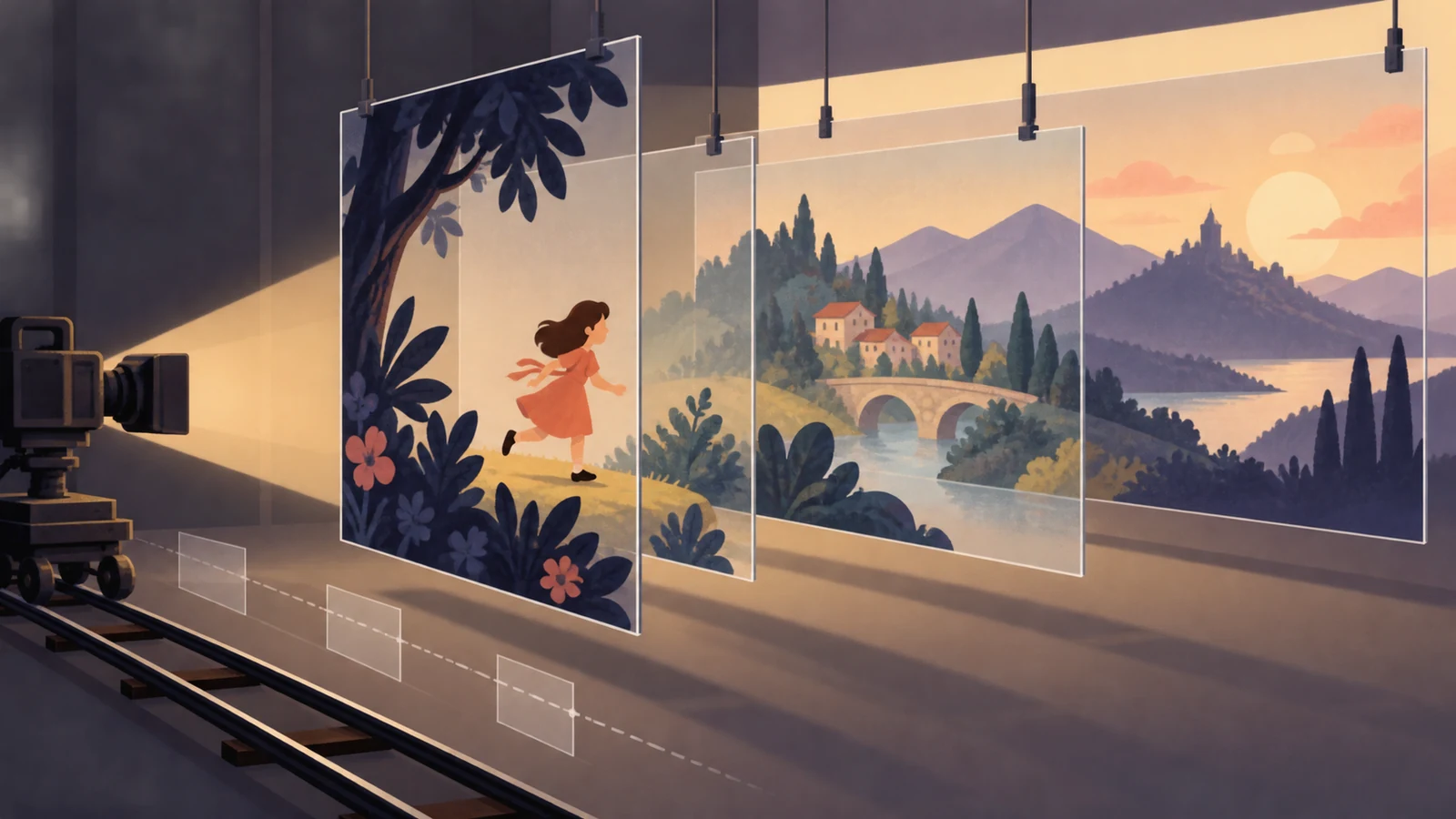
Studios used multiplane camera systems to strengthen spatial depth. Separate glass layers moved at different speeds, causing background elements to appear farther from foreground figures. That arrangement gave scenes greater physical presence. Recorded dialogue, musical themes, and timed effects added another expressive channel. Together, these techniques made animated performances more readable, allowing posture, facial movement, sound, and editing to work as one coordinated system.
Handwork Becomes a System
Traditional production depended on several specialized tasks. Lead artists prepared key poses, assistants completed intermediate drawings, painters applied color to transparent cels, and photographers captured each exposure. Background departments created settings separately from character work. This arrangement demanded strict coordination because one misplaced image could disrupt an entire sequence. Even so, hand-rendered methods provided exceptional control over gesture, line quality, color relationships, and visual rhythm.
Television Changes the Rhythm
Television created demand for regular episodes during the 1960s and 1970s. Producers answered with simplified designs, repeated backgrounds, limited movement, and shorter production schedules. Those choices reduced labor while protecting essential storytelling information. Saturday morning broadcasts introduced many viewers to recurring heroes, comic villains, and imaginative settings. Television also made animated programming a familiar household experience rather than an occasional cinema event.
Computers Enter the Studio
Computers first appeared in animation through experimental films, commercials, and visual effects. Early programs assisted with camera movement, layering, color control, and lighting calculations. During the 1980s and 1990s, studios combined these tools with hand-drawn artwork. This hybrid process preserved expressive line work while reducing repetitive labor. By the early 2000s, many productions had adopted fully digital workflows, changing how scenes were assembled, edited, and corrected.
Toy Story Sets a New Standard
Pixar's Toy Story, released in 1995, became the first feature-length computer-animated film. Its production depended on a dedicated rendering workflow and RenderMan software to manage lighting, surface qualities, and image generation. The movie proved that computer-built figures could sustain humor, conflict, affection, and complicated relationships across a full-length narrative.

A Broader Creative Future
Many current productions combine several techniques instead of following one fixed pipeline. Three-dimensional models can guide body movement, while illustrated textures preserve a handmade appearance. Motion capture may inform realistic gestures, and compositing can place filmed performers inside animated environments. Improved rendering supports richer illumination and more detailed surfaces. Still, technical capacity cannot replace narrative discipline. Strong results depend on clear timing, memorable characters, readable staging, and purposeful artistic decisions.
Conclusion
Animation has moved from traced sketches and painted cels to sophisticated computer-generated imagery, but its central task remains unchanged. Artists arrange images, movement, sound, and timing so that static marks appear alive. Each technical advance expanded creative control without removing the need for imagination or disciplined craft. Hand-drawn practice established the visual language, television widened access, and computer tools transformed production. Future projects will likely combine these approaches, giving storytellers broader control over motion, texture, and feeling.