
Is Microsoft Project Overkill for Your Team? 5 Signs That You Should Look For an Alternative Solution
Microsoft Project is a powerful program appreciated by professionals around the world. Although the company recently announced that it would be ending support for the cloud-based version — Project Online — users continue to rely on other iterations of the software.
It is used across a wide range of industries, from marketing and advertising to complex IT development. Teams use it to plan projects, manage tasks, track time, allocate resources, facilitate communication, and much more.
But there is change on the way. Every day, new online programs with innovative features hit the market. These features can easily overshadow the reputation of MS Project. At the same time, teams are getting more agile and more demanding.
So does this mean MS Project is going to reach a dead end?
Perhaps your team has simply “outgrown” it. And maybe it’s time to look for a new platform.
Here we explore the core signs that it may be time to say goodbye to Microsoft Project.
5 signs it's time to move from Microsoft Project to a new tool
Don’t be afraid of trying something new. An alternative program may open up new horizons. Look for solutions that can boost process efficiency without negatively impacting your team.
Let’s dive into the core of the matter and examine five "red flags" that signal a need for change.
Sign 1: You aren’t making the most of the software’s features
Microsoft Project offers a very extensive range of features. Yet, teams often fail to use even half of what it has to offer.
This becomes clear when a company’s needs are fully met by simple task lists, analytics, and basic time tracking.
Moreover, many users are either unaware of the software’s advanced features or simply have no desire to learn them — all while the company continues to pay for full-scale licenses for every employee.
Managers should periodically evaluate whether this software is truly the right fit. For instance, they can compile a range of required features and use it to compare Microsoft Project against other software solutions.
Here you can see the full list of options and compare a few Microsoft Project alternatives with their key characteristics.
Consider which pricing model is best for your business. Many project management software solutions offer free plans or convenient trial versions with full access to all features.
Sign 2. Part of the work is carried out outside the plan
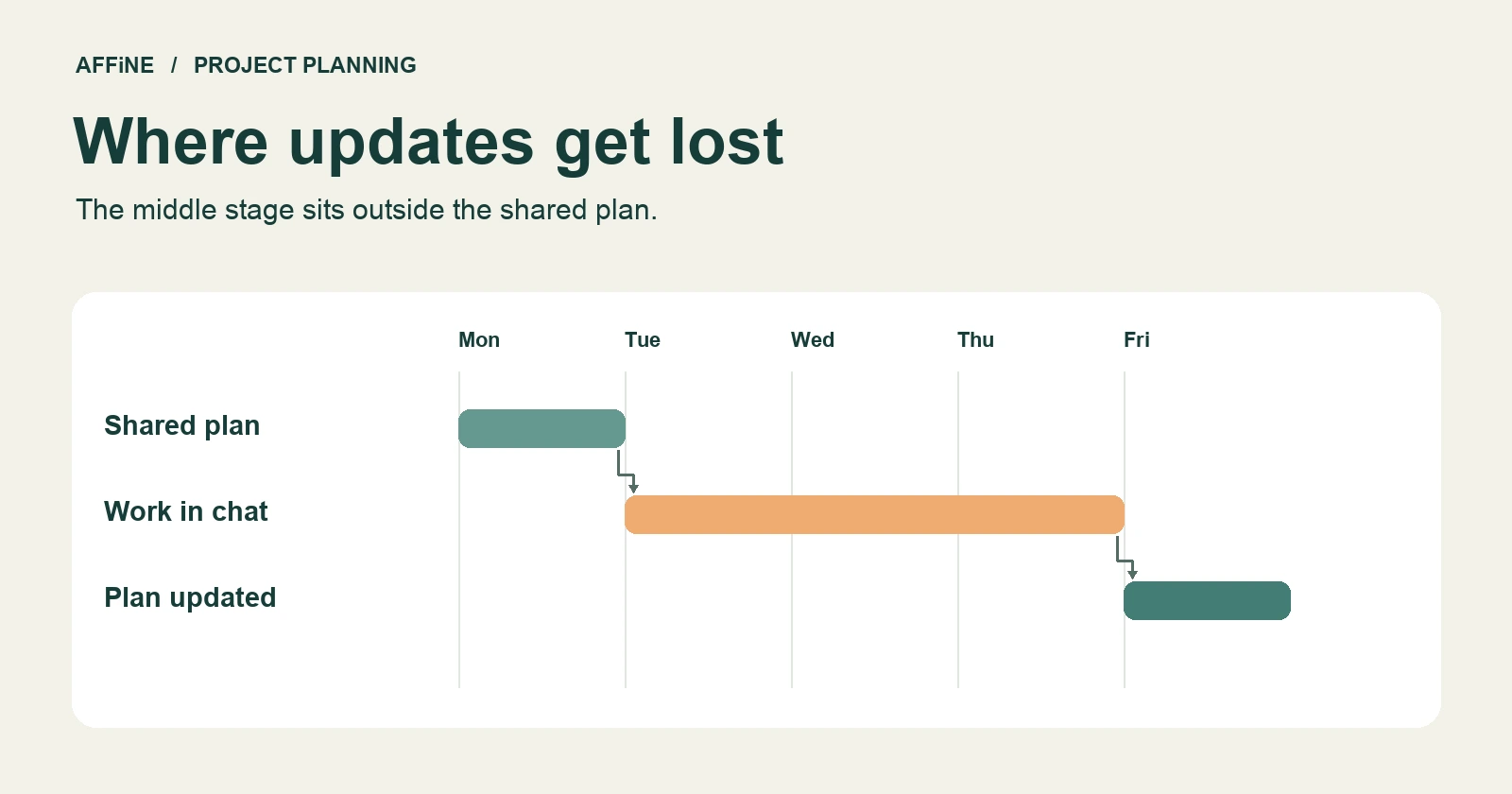
Despite the capabilities of MS Project, team members often continue to communicate via their preferred chat apps or email. They keep data in their own spreadsheets or files. Communication remains fragmented.
Sometimes, they open MS Project only once a month — just to assess progress, compile a report, and prepare a plan for the next period.
Under these circumstances, a project plan is unlikely to reflect the actual state of affairs. Project managers see one picture, while teams are operating under entirely different conditions. As a result, decisions are made based on outdated data, and deadlines are missed.
A modern alternative to MS Project provides a convenient way to organize work tasks, files, comments, and discussions all in one place. Such an online solution integrates seamlessly with the messaging apps and cloud storage services your team already uses.
As a result, all the information you need is always right alongside the task itself — so you no longer have to piece together your work history from a dozen different sources.
Sign 3. Your plan has only one owner
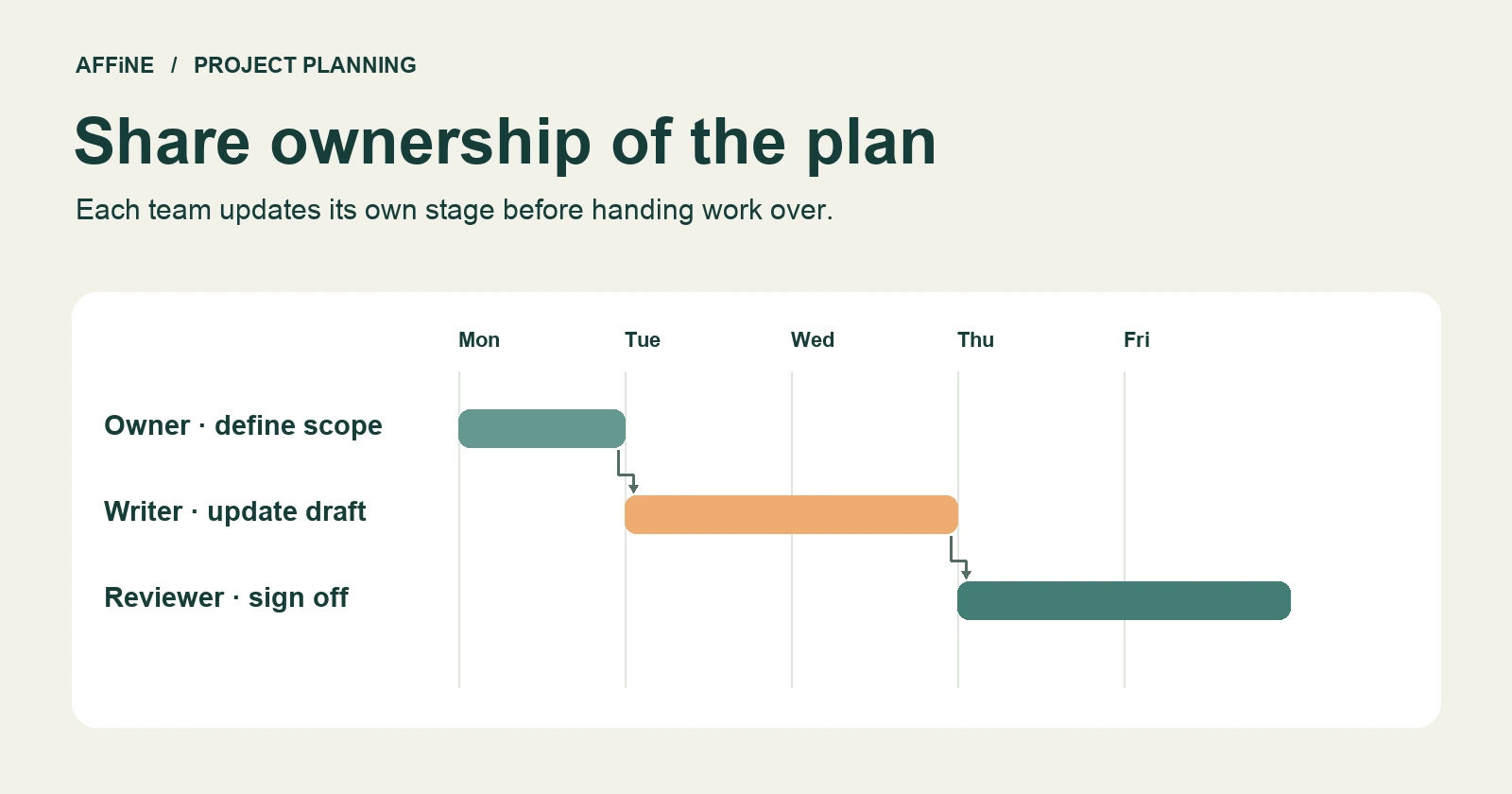
Team members often send status updates via email or chat to project managers, who manually enter the data into MS Project.
However, if a manager is sick or on vacation, the rest of the team may not know what a project plan looks like, or how to change it. This is a risk for the whole project.
Keep in mind that updating a plan should not be the sole responsibility of one individual.
Modern project management software allows team members to log the completion of their tasks in a matter of seconds, with all other participants seeing the updates immediately.
Therefore, if only one person is able to update the schedule, the problem lies not with the people, but with the software itself.
Sign 4. Your clients are left out of the loop
In many projects, you will need to involve separate teams, different specialists, freelancers, agencies, or contractors.
Sharing an MS Project plan with them is not that simple many times. They may need a special license, install software, or export to PDF statically. Such a waste of time!
And a client may see only a static snapshot, unaware of what happens in between status reports. This results in mistrust and additional unnecessary calls.
With modern project management software, you can send a link or invite a guest with limited rights. You can give them access to a project, or part of a project. Even if it does not mean leaking internal discussions or budget information.
This makes it possible to add comments to tasks without creating unnecessary distractions for a team.
Sign 5. New team members require a comprehensive training course to grasp all the nuances of how things work
MS Project necessitates a lengthy onboarding process and specialized training, whereas most modern software products allow new users to get up to speed on their own in just half an hour
Many users point to its complex interface and confusing feature descriptions. Moreover, companies often have to send employees to training courses to let them read a project plan without feeling completely lost.
This is especially challenging for students or those with little professional experience. When a tool is intimidatingly complex, people tend to avoid it, reverting instead to the notes and chat apps they’re already comfortable with.
That’s a problem, especially if you have a high turnover of staff or a constant influx of interns where you have to keep repeating the training.
What do you think about these signs?
Turn your workflow into a source of inspiration, rather than an unnecessary complication
Changing a tool you're used to is not a sign of abandoning systematic processes or an act of desperation. That’s a great move to be more cost-effective and help your team’s mental health, especially when there are so many options out there in the market.
The best project management software should free human potential for creativity and tangible results instead of wasting it on maintenance of charts and spreadsheets.
After all, the winning team isn’t the one with the most complex, sophisticated schedule in MS Project. It’s the one that can turn ideas into a finished product the fastest.
Select online solutions that are easy and flexible. Rely on tools that remove the friction between an initial idea and its final execution.