Azure Data Flow Template
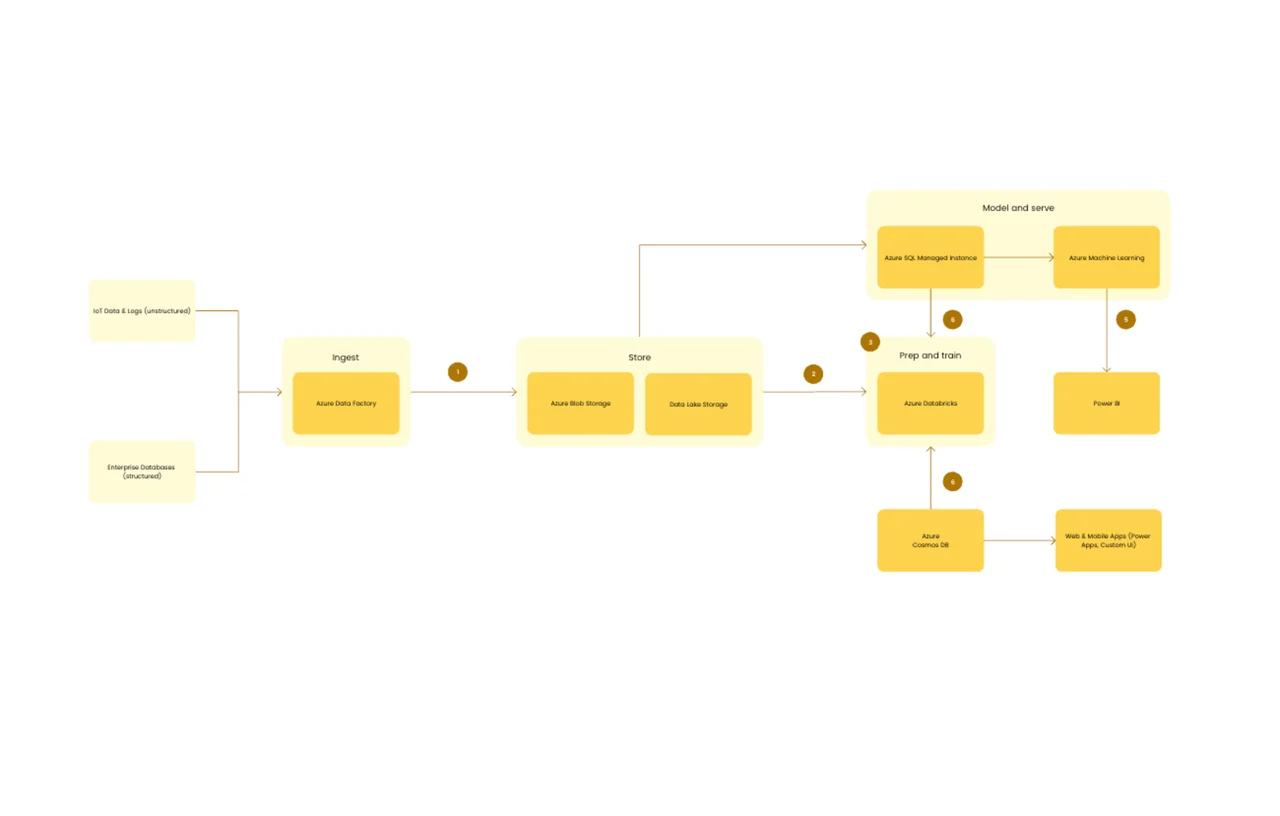
Azure Data Flow template for ETL in Azure Data Factory: plan pipelines, map transformations and document data flows in one editable AFFiNE workspace.

Reviewed by AllenContent Operations Manager
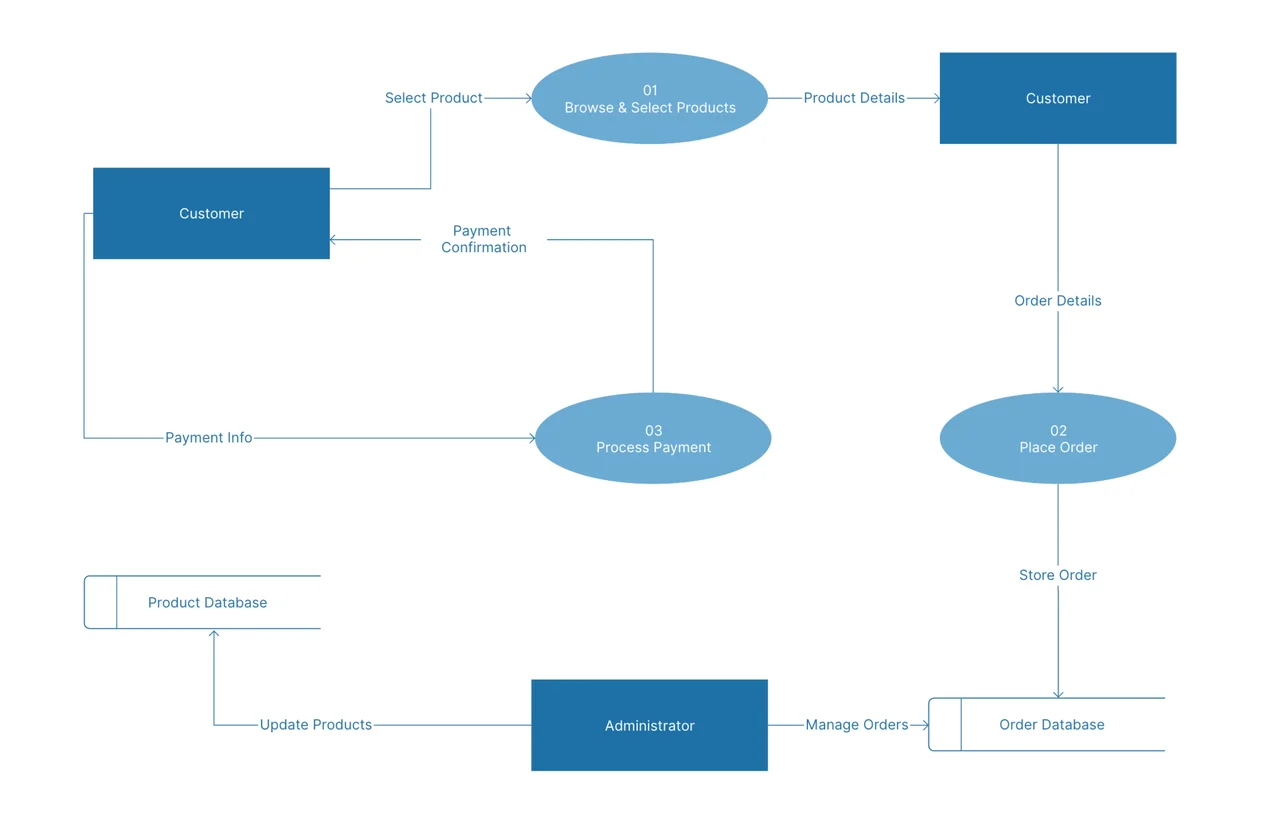
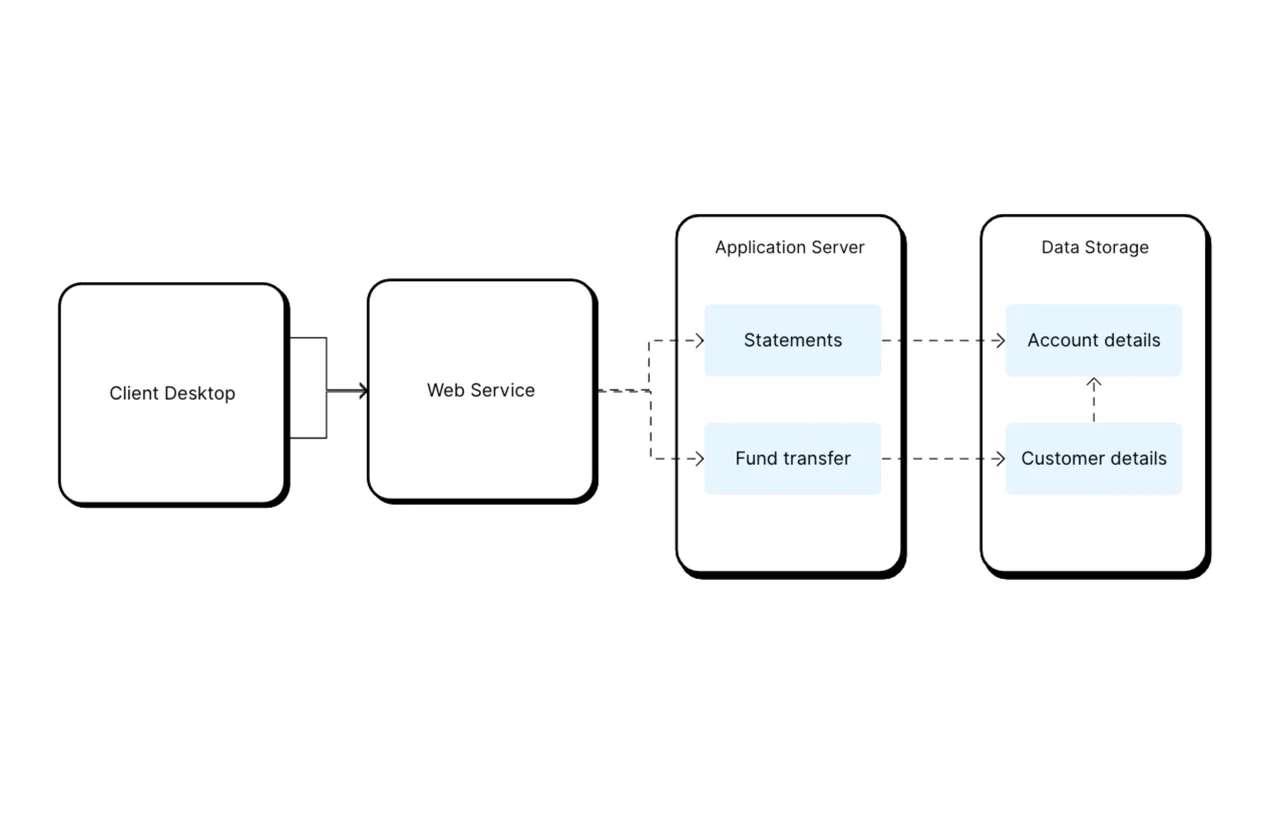
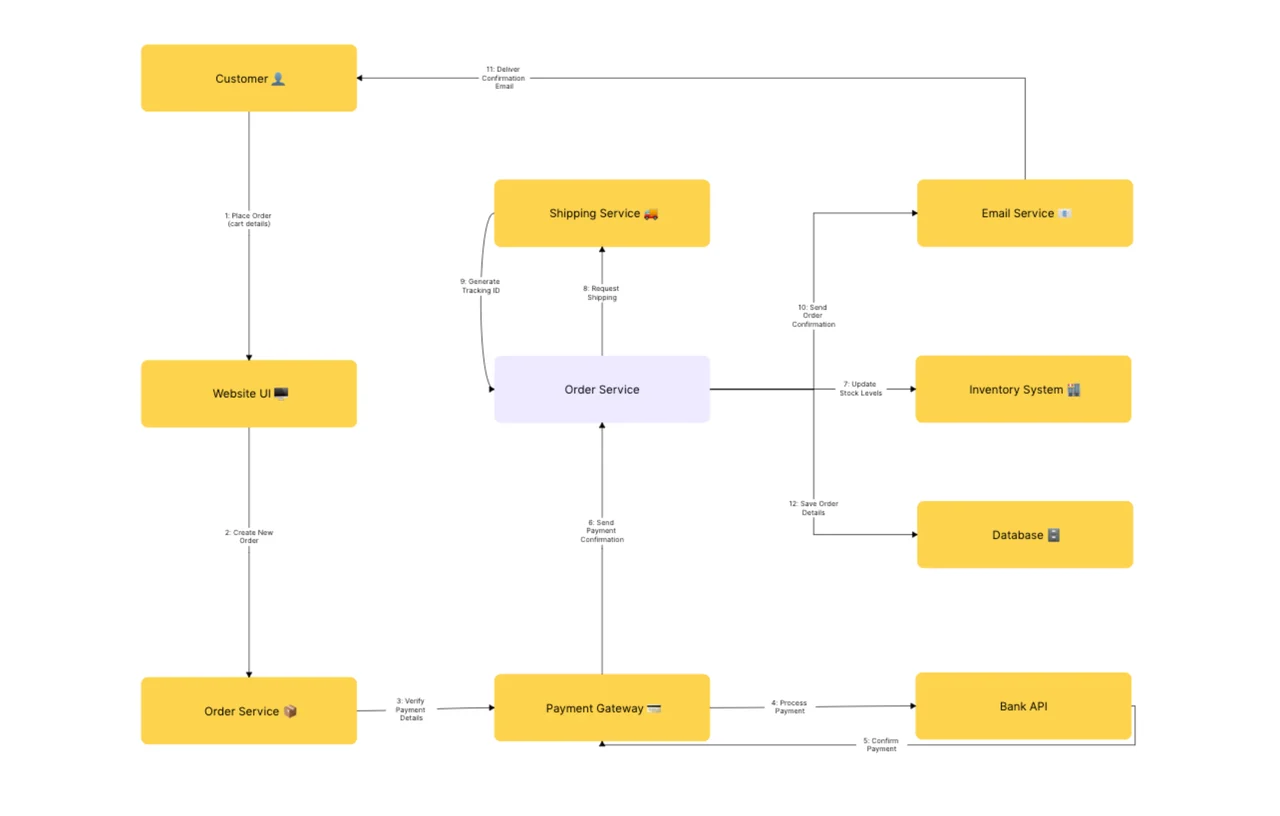
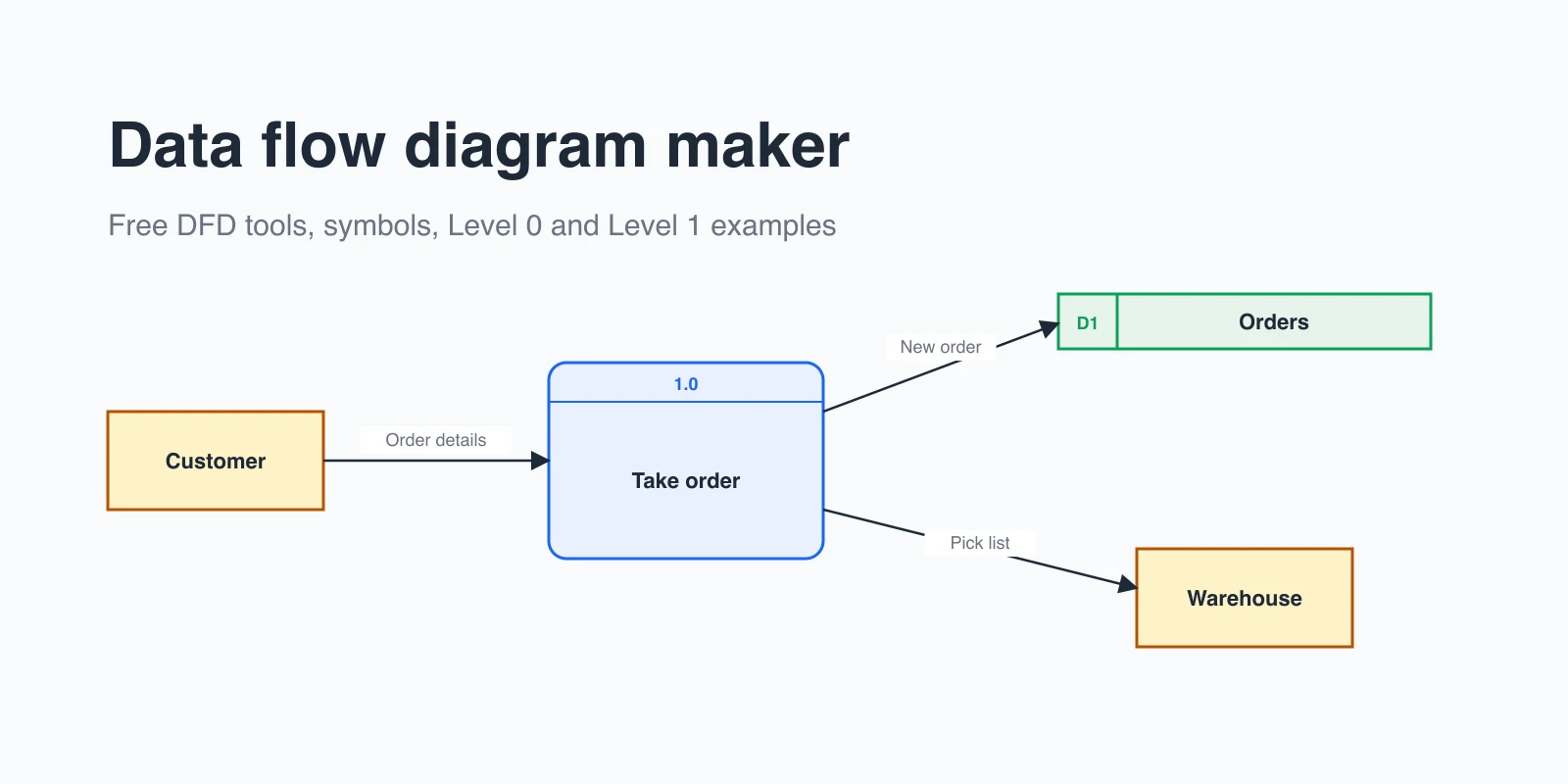
The Azure Data Flow template offers a systematic foundation for creating scalable data transformation pipelines in Azure Data Factory. Before you build the pipeline, a data flow diagram helps you agree on sources, stores and outputs. This template allows enterprises to develop complicated ETL (Extract, Transform, Load) procedures without requiring considerable code, expediting the path from raw data to actionable insights. With pre-configured transformation logic and data flow patterns, this template may be readily customized to accommodate a variety of data integration situations throughout your company data environment.
Creating data transformation pipelines from scratch may be time-consuming and error-prone. The Azure Data Flow template includes pre-built transformation patterns that can be quickly implemented in your Azure Data Factory environment, cutting development time by up to 60%. These ready-to-use components handle typical data transformation scenarios like as filtering, aggregation, and joins, allowing you to concentrate on business logic rather than pipeline mechanics.
Managing complicated data transformations across several sources sometimes necessitates specialized knowledge. This template facilitates the creation of sophisticated transformation logic with its visual interface and preset transformation components. Data cleansing, normalization, and enrichment workflows may be readily implemented without the need for substantial coding, allowing data engineers of various skill levels to access complex data processing capabilities.
As your data volume increases, your processing pipelines must scale proportionally. The Azure Data Flow template is based on Azure's serverless architecture, which dynamically scales to meet changing data quantities and processing needs. This flexibility assures consistent performance whether you're processing gigabytes or terabytes of data, minimizing the need for human infrastructure management and maximizing cloud resource use.