20+ Free UML, Flowchart, Network & Architecture Diagram Templates
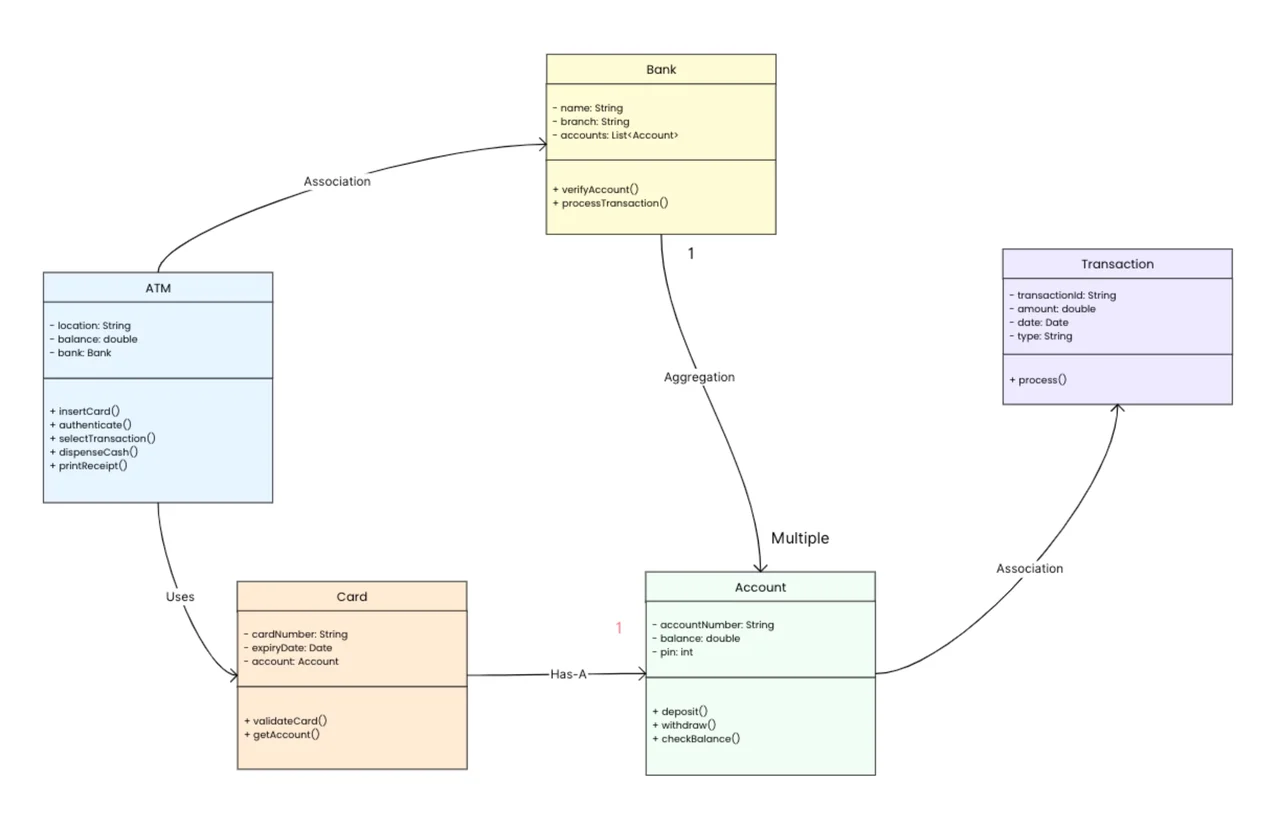
Class Diagram
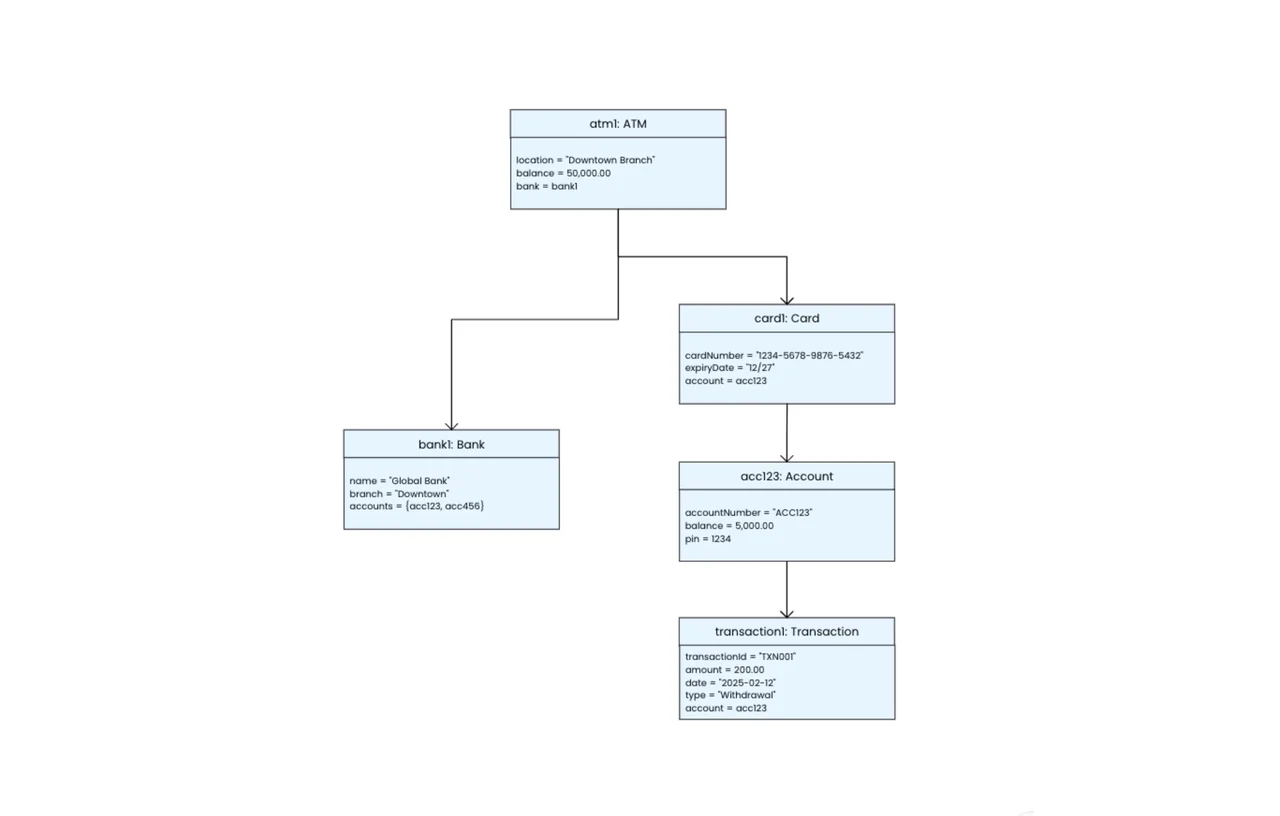
Object Diagram
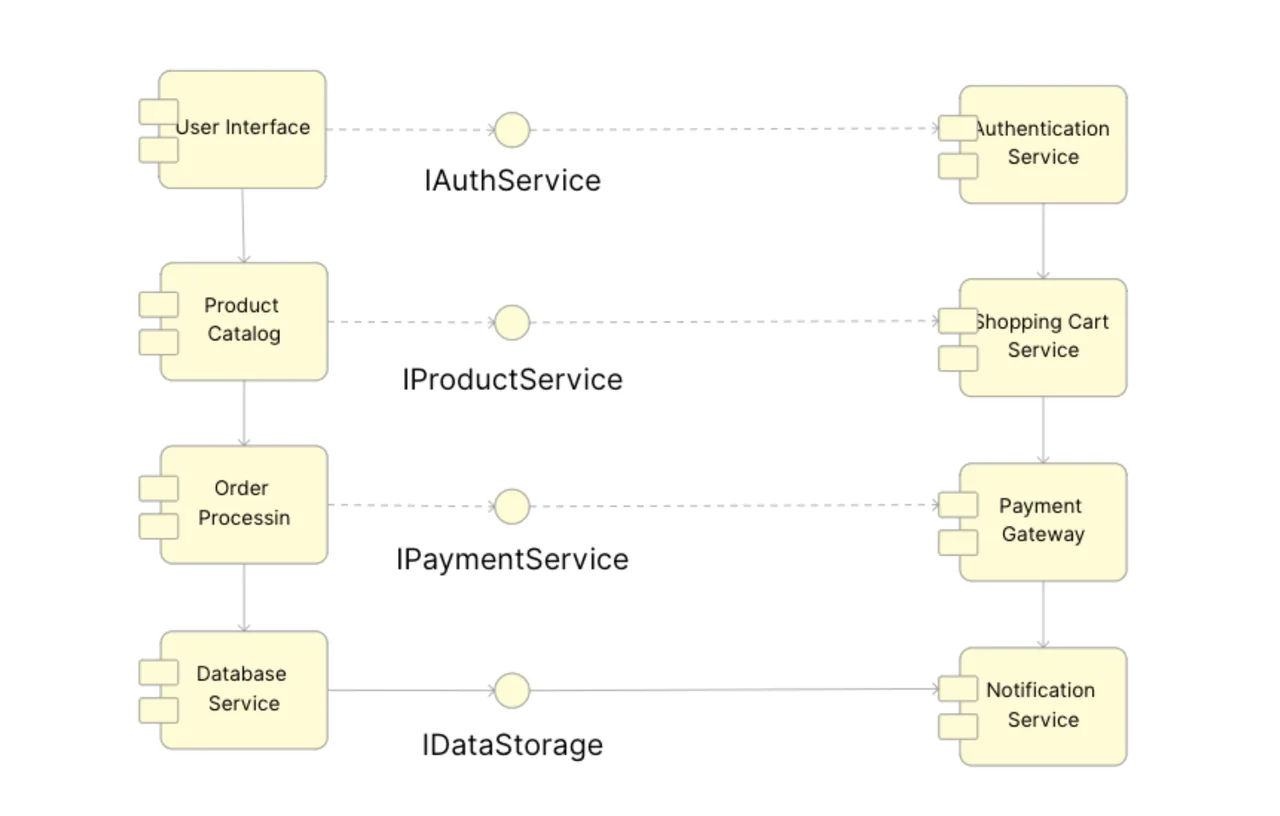
Component Diagram
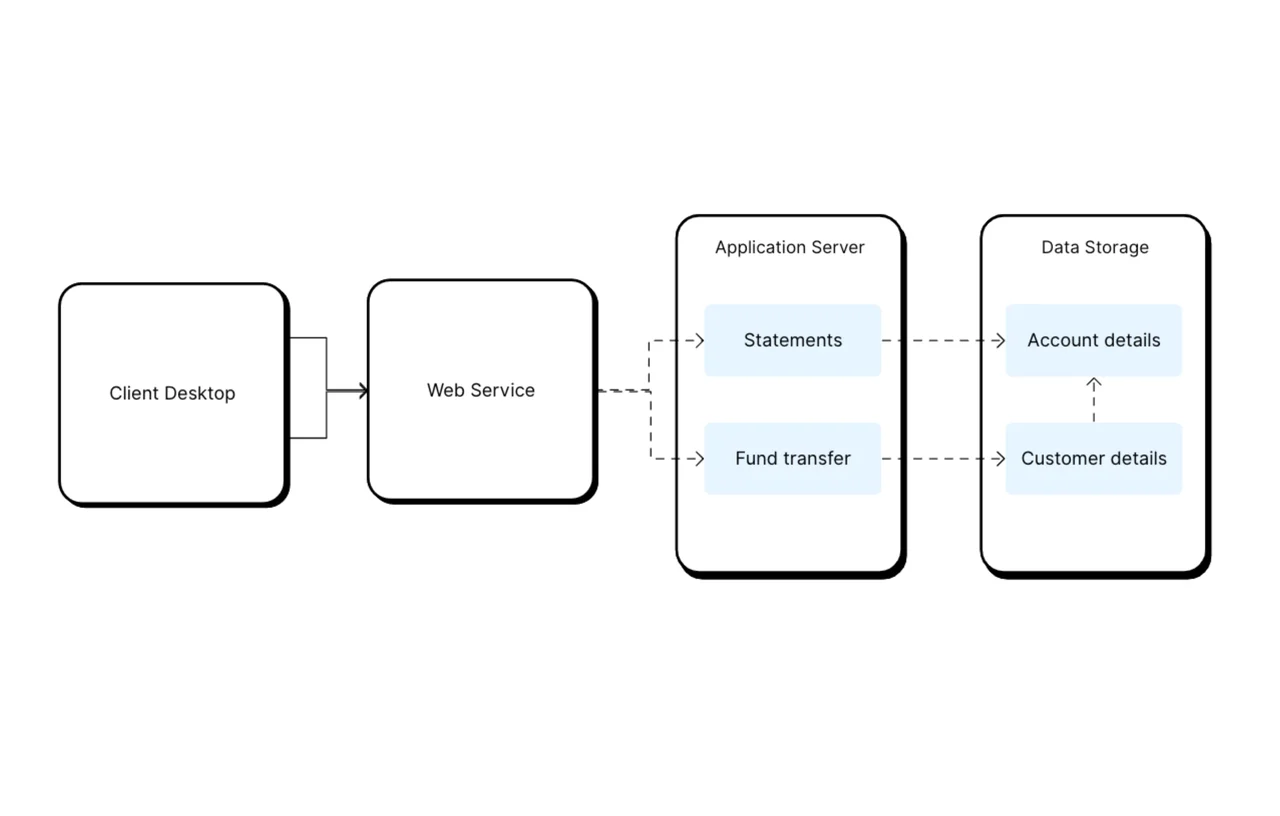
Deployment Diagram
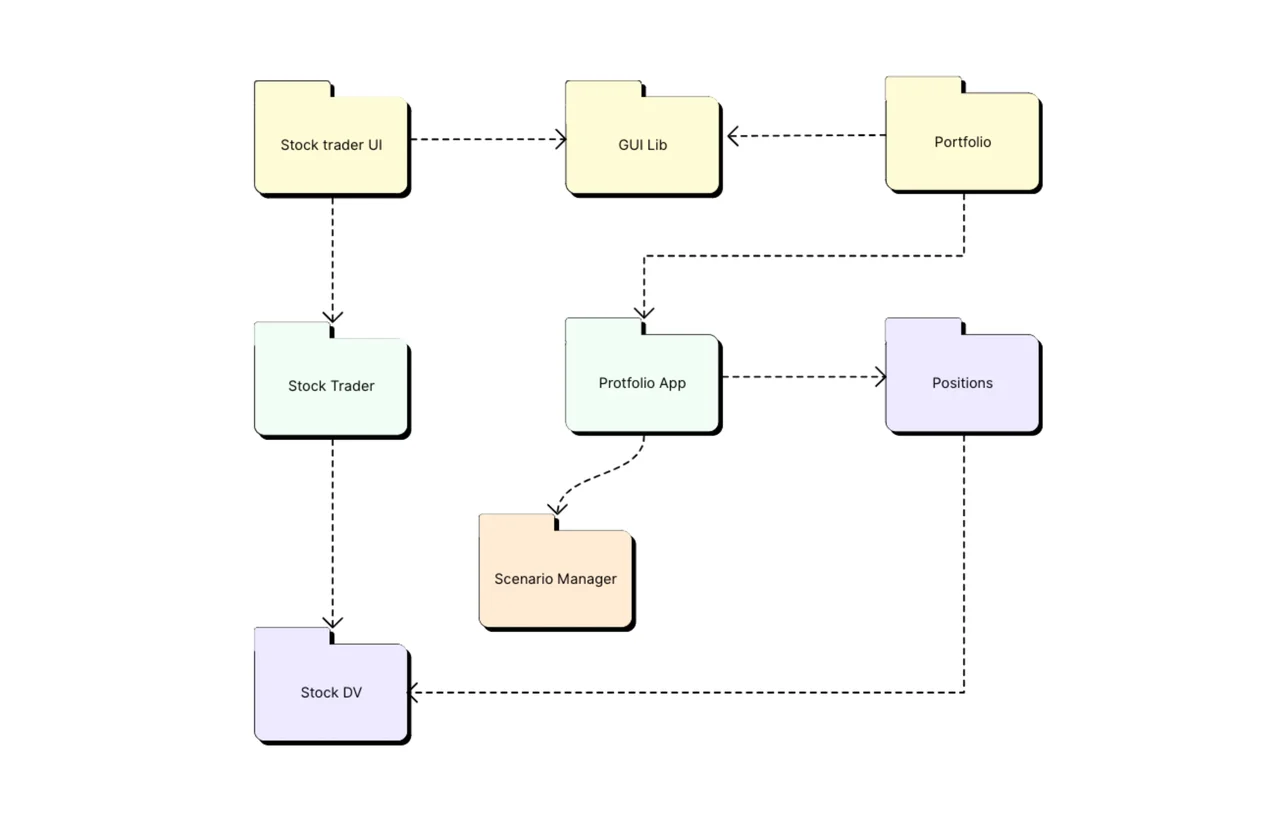
Package Diagram
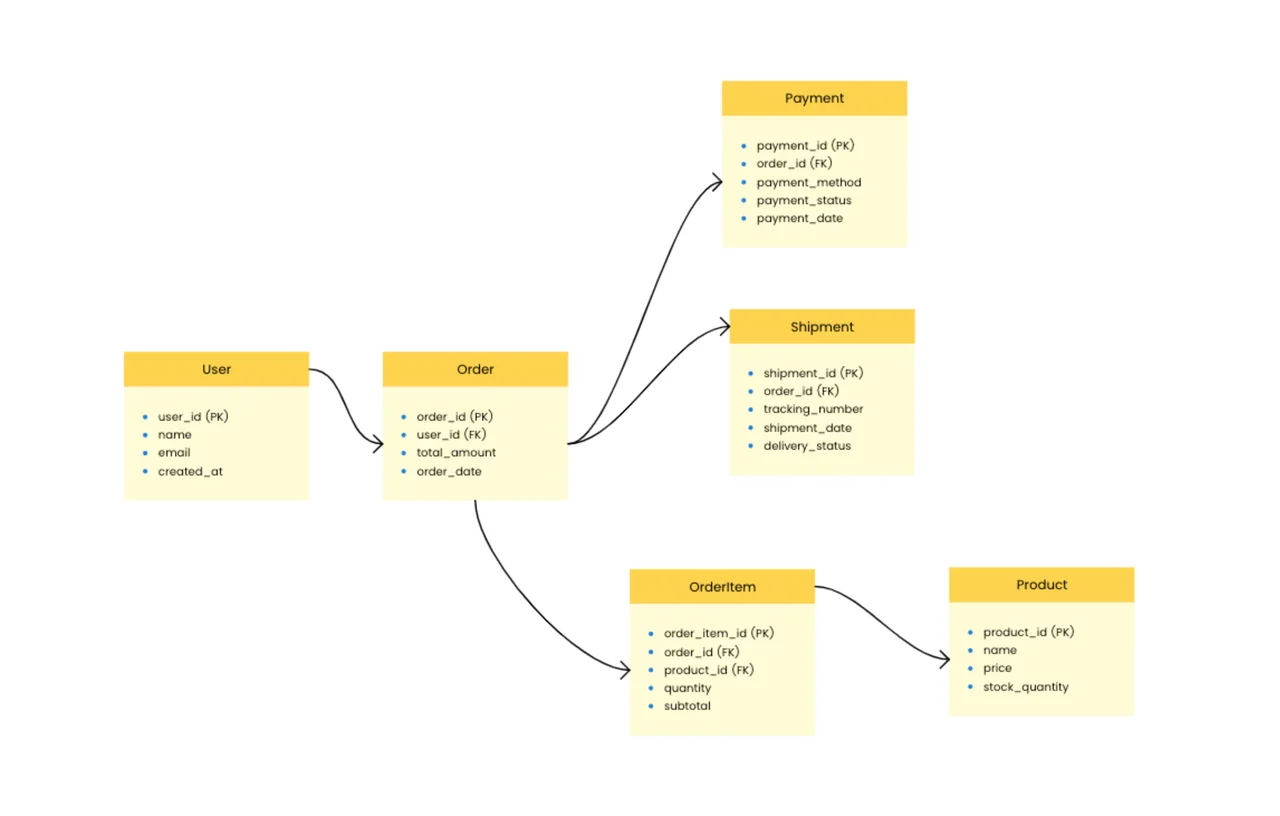
Free ER Diagram (ERD) Template for Database Design
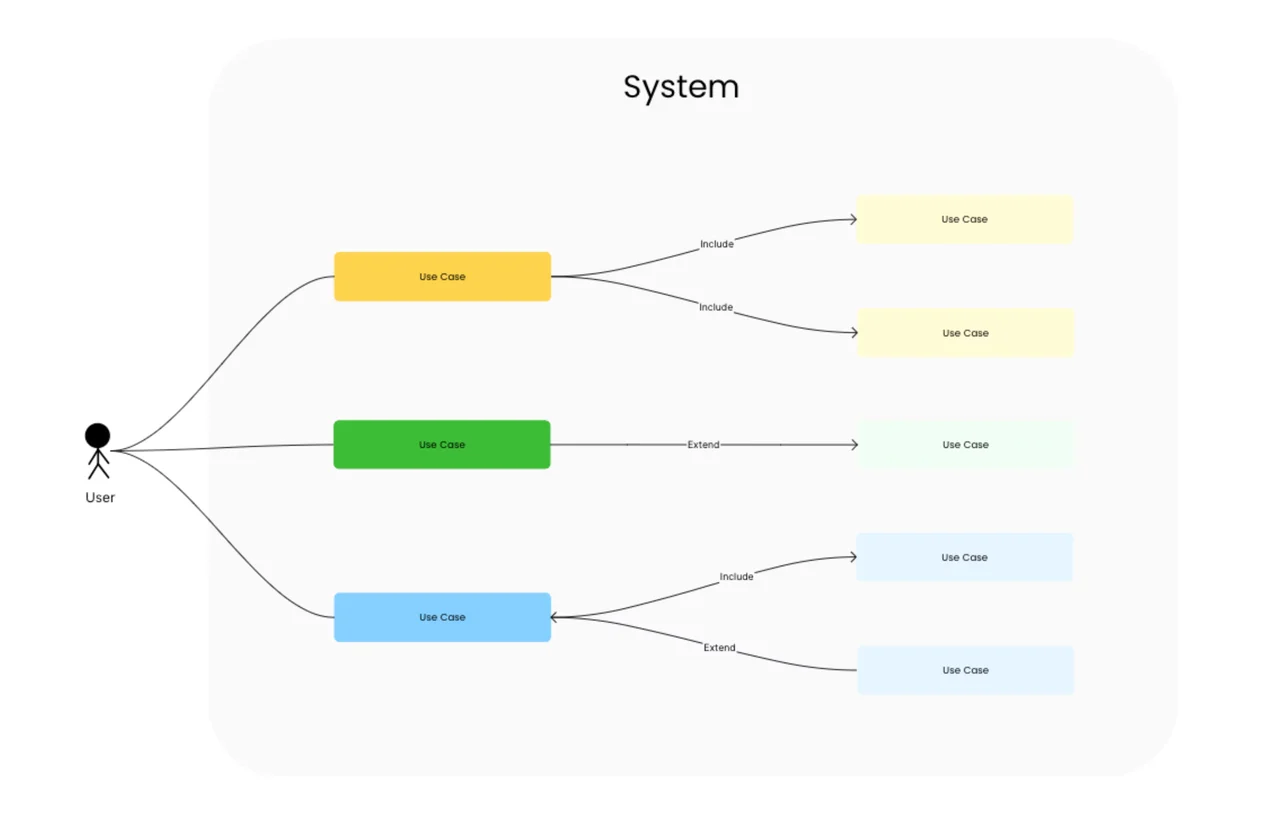
Free Use Case Diagram Template for UML System Design (2026)
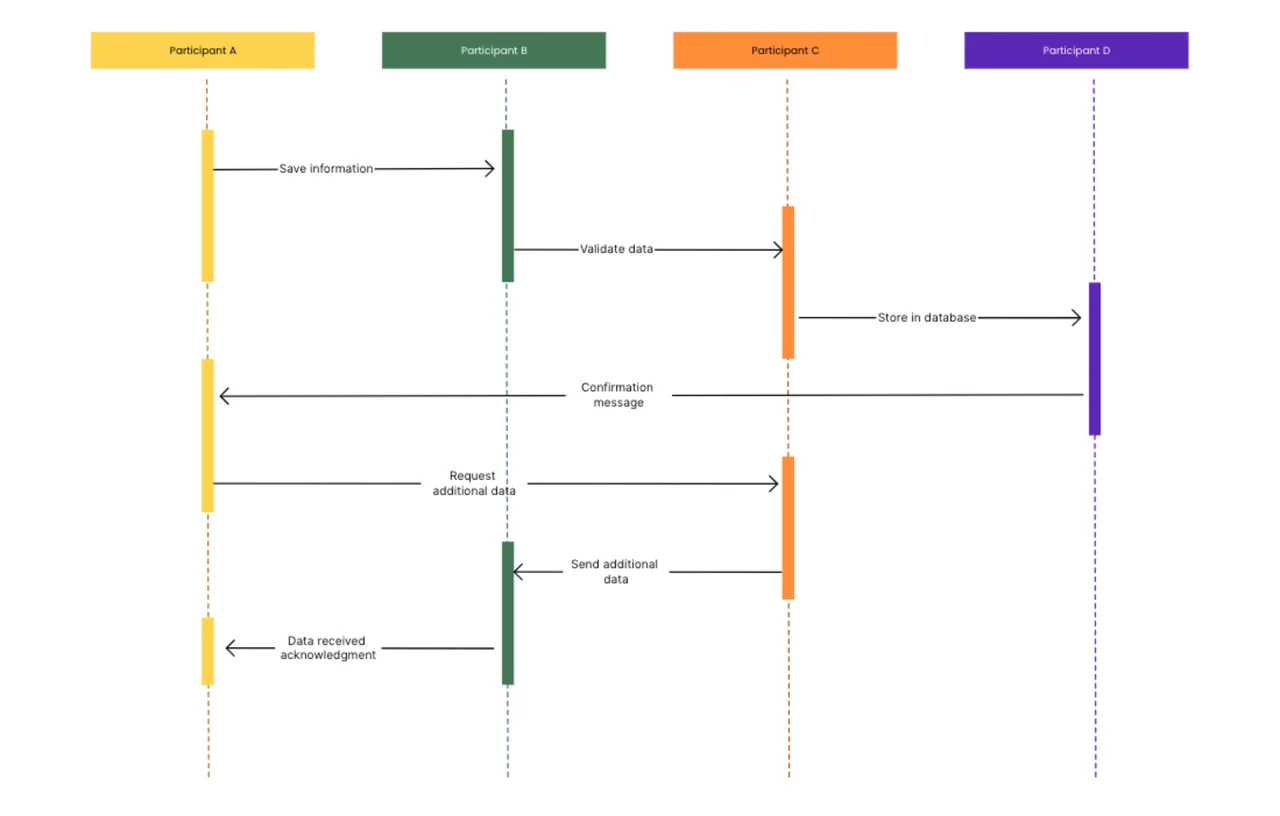
Free Sequence Diagram Template (UML) — Draw Online
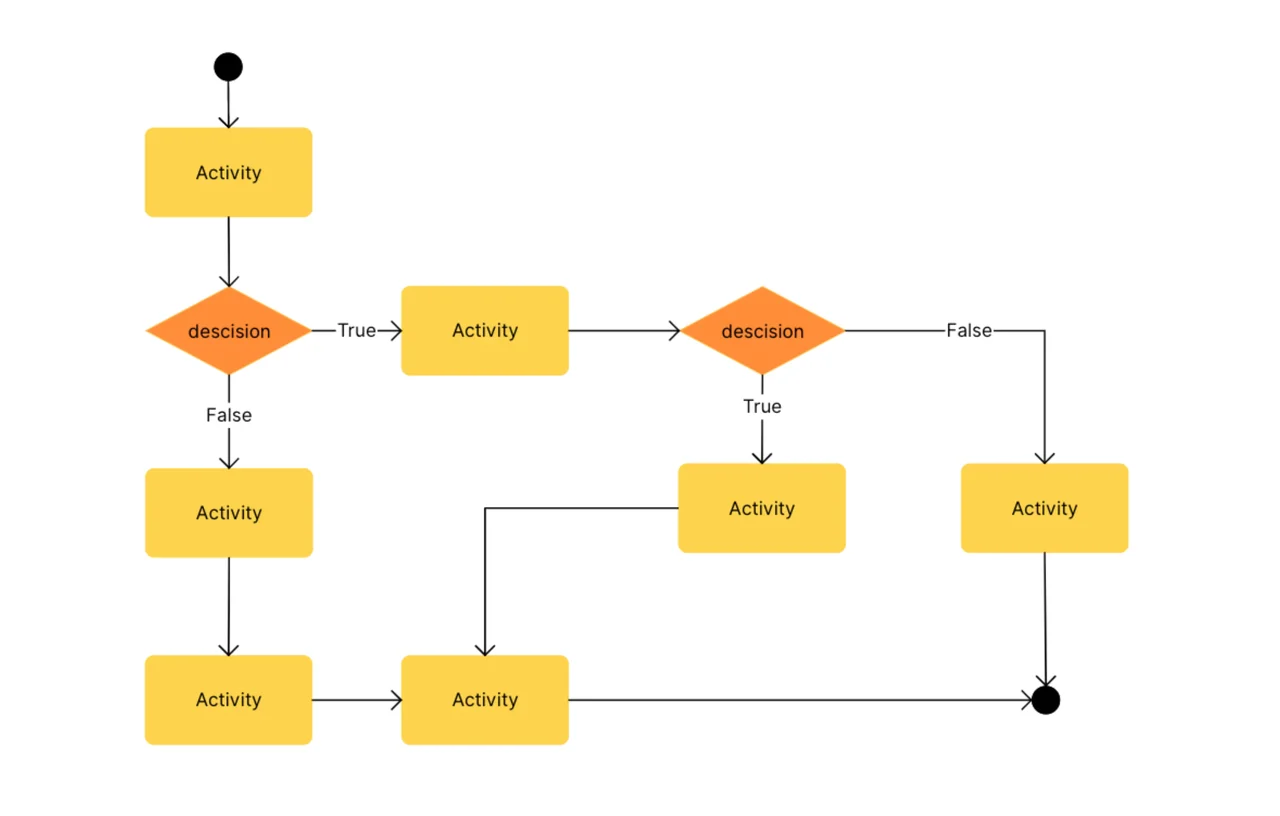
Free Activity Diagram Template for UML Workflows (2026)
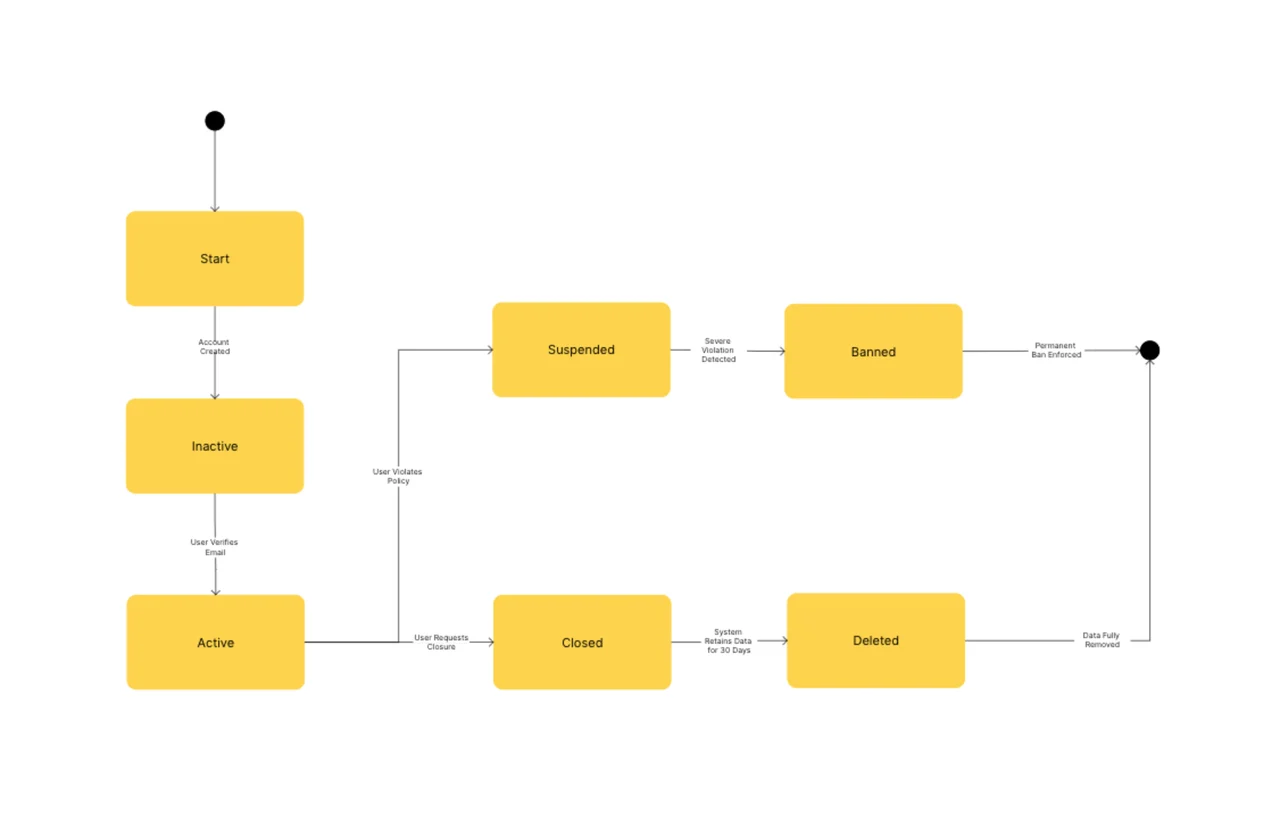
Free State Diagram Template for UML Behavior Modeling (2026)
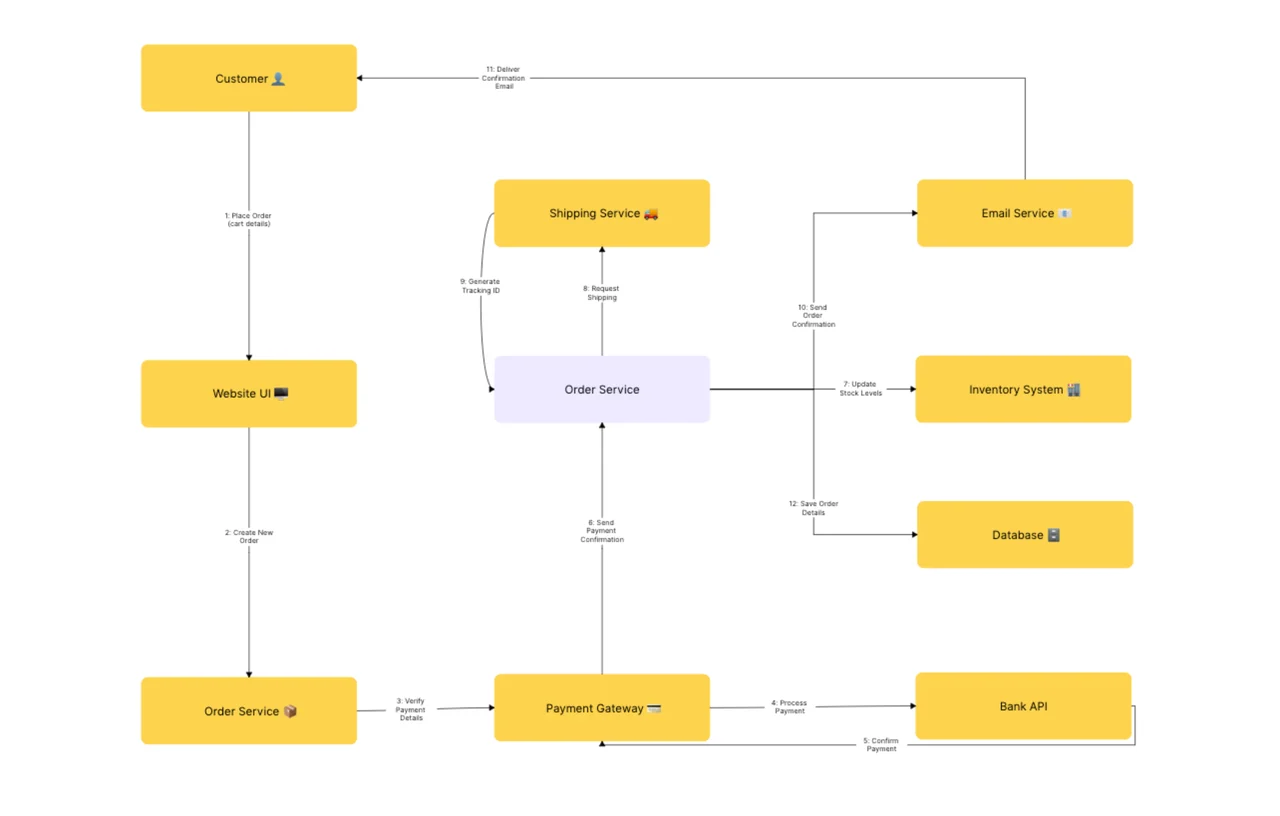
Free UML Communication Diagram Template (Objects, 2026)
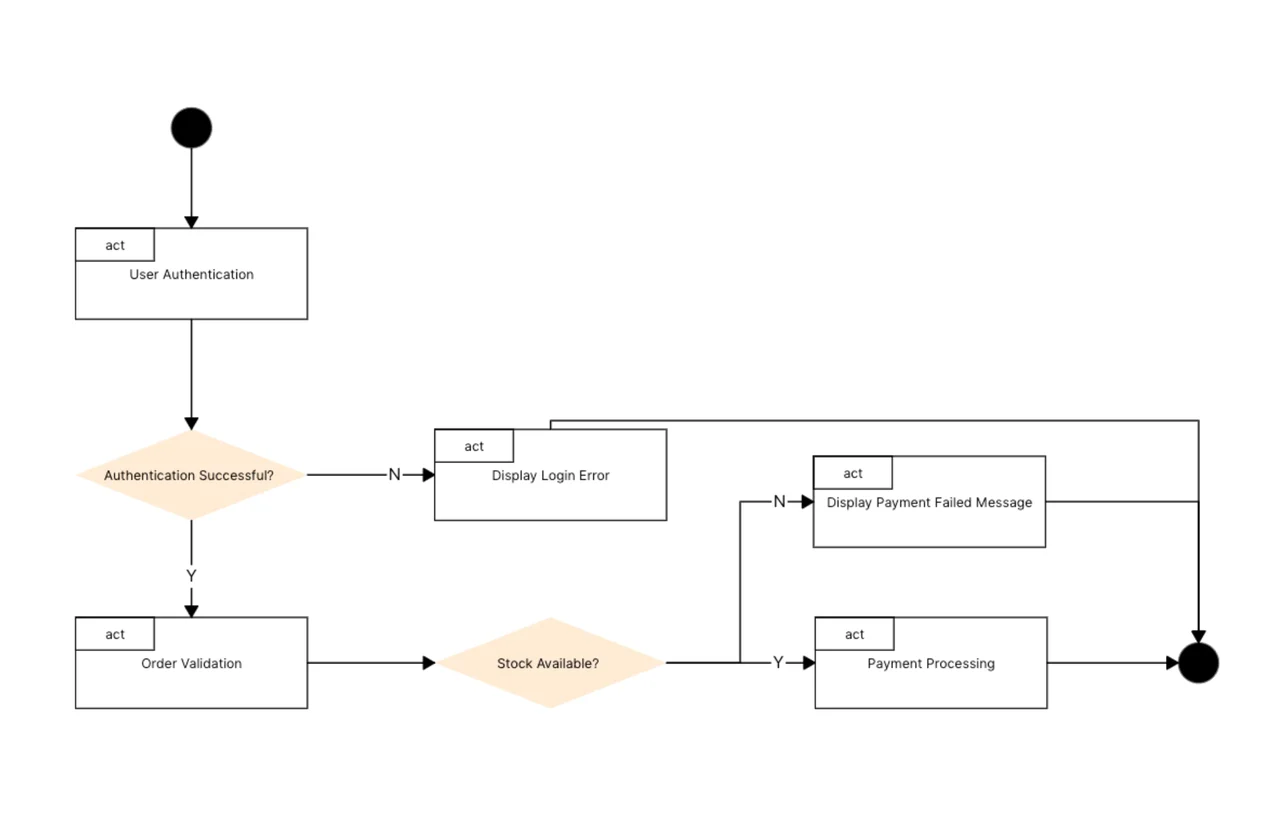
Interaction Overview Diagram
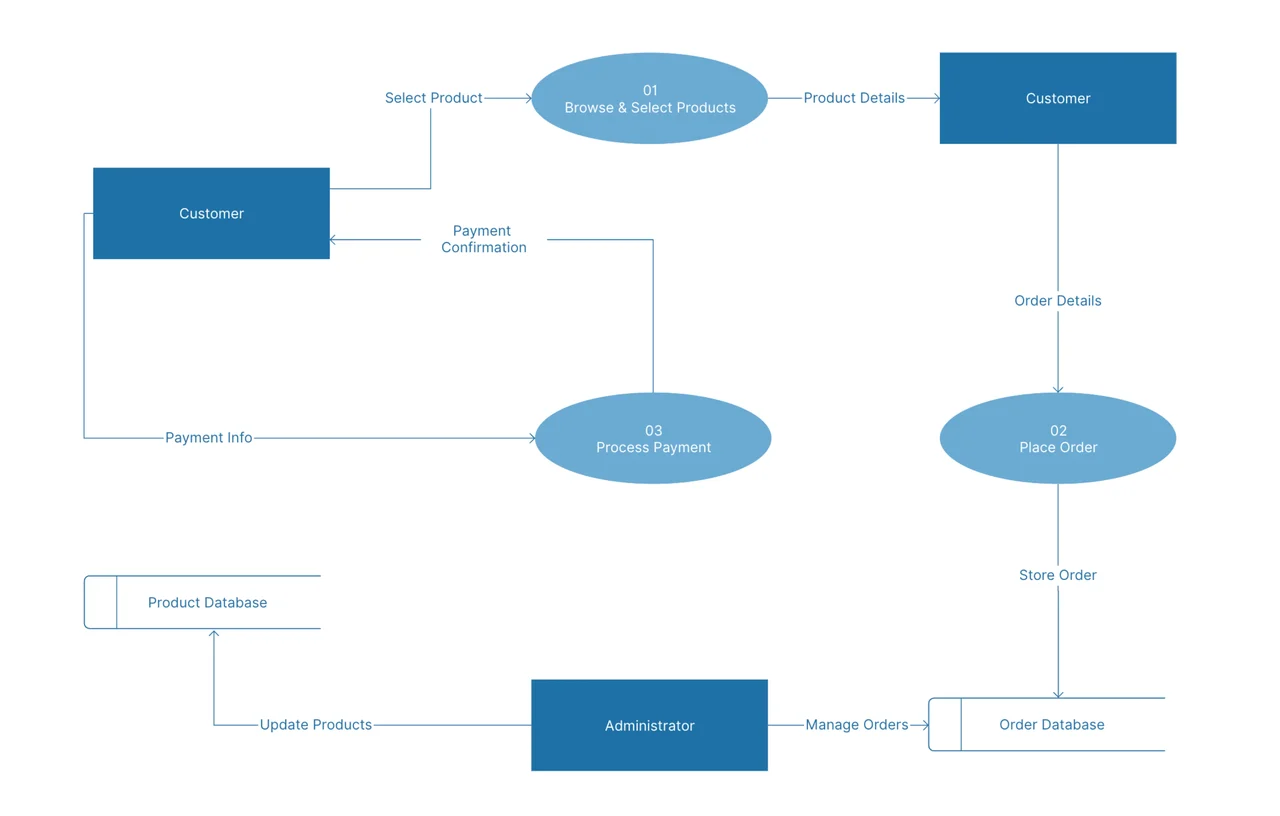
Data Flow Diagram
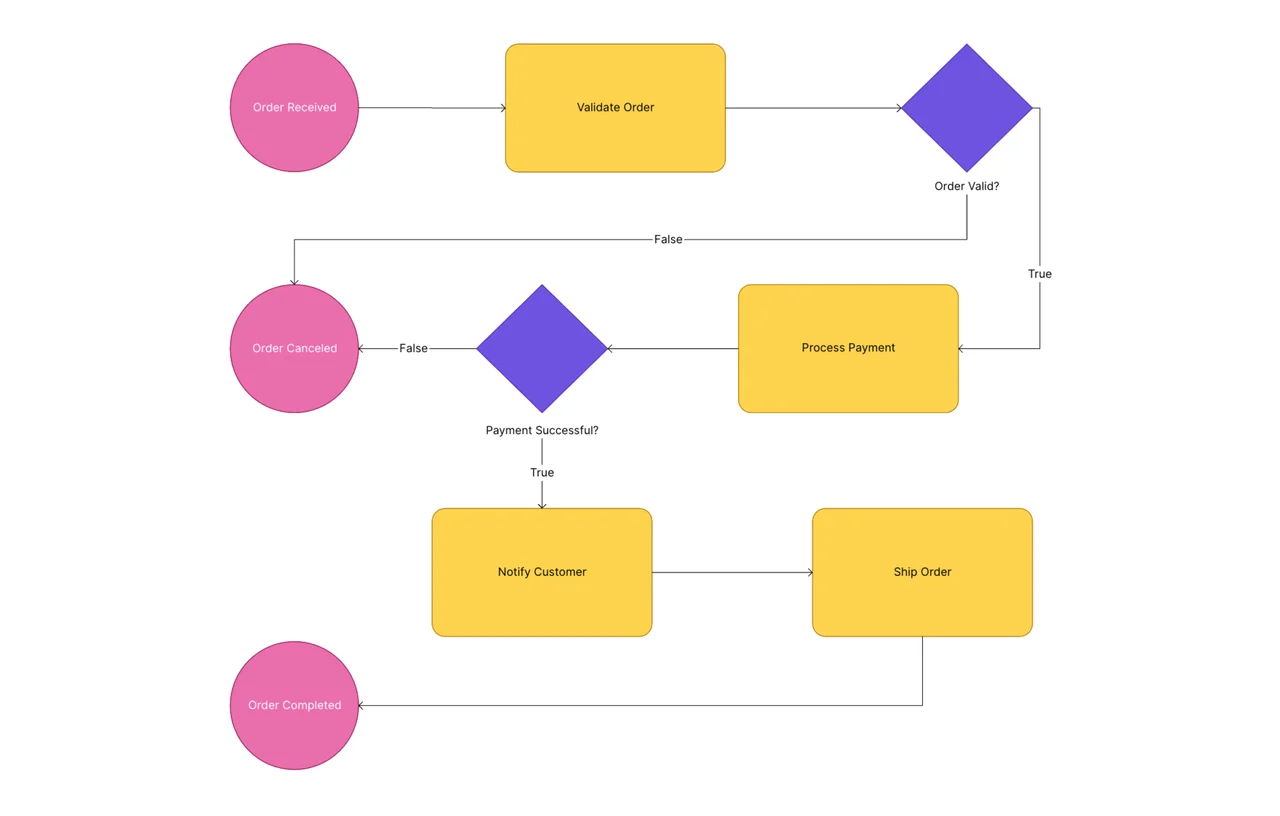
Free BPMN Diagram Template with Core Symbols
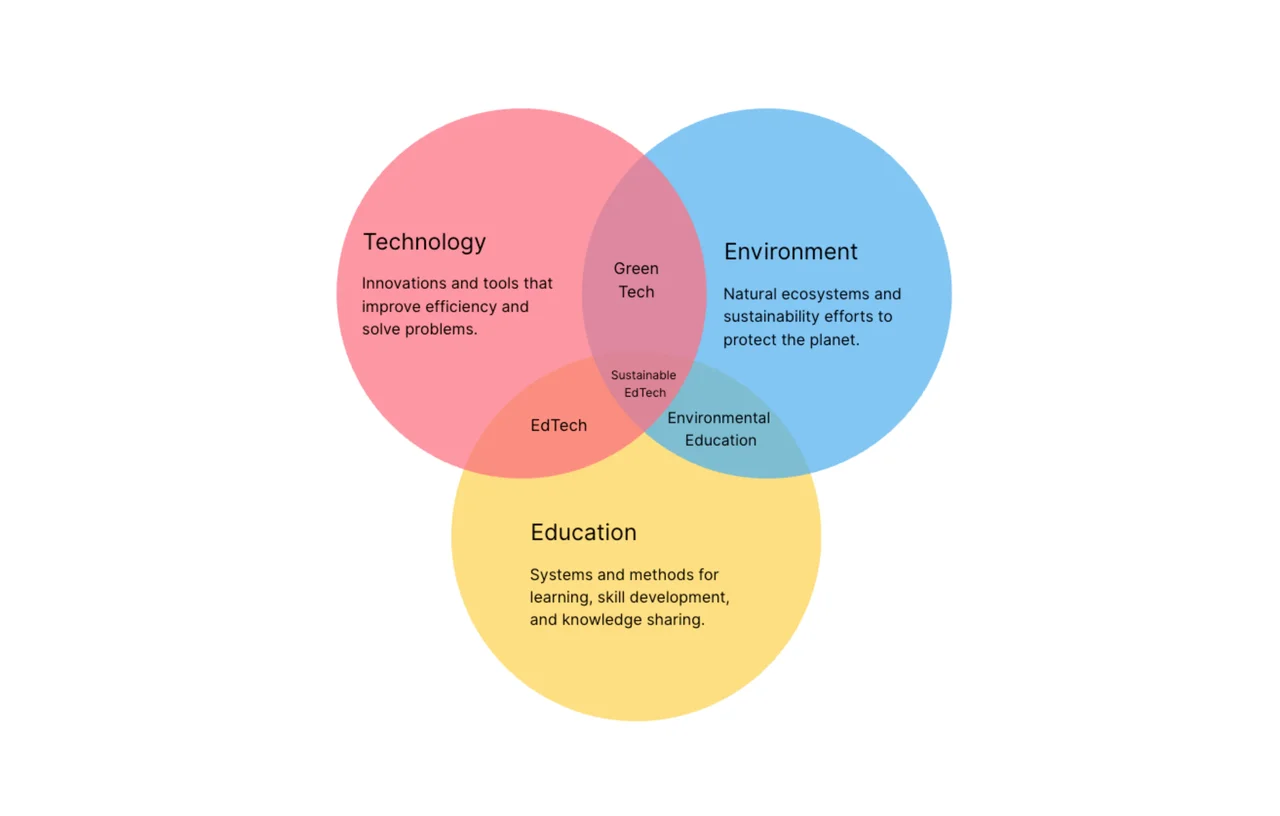
Venn Diagram
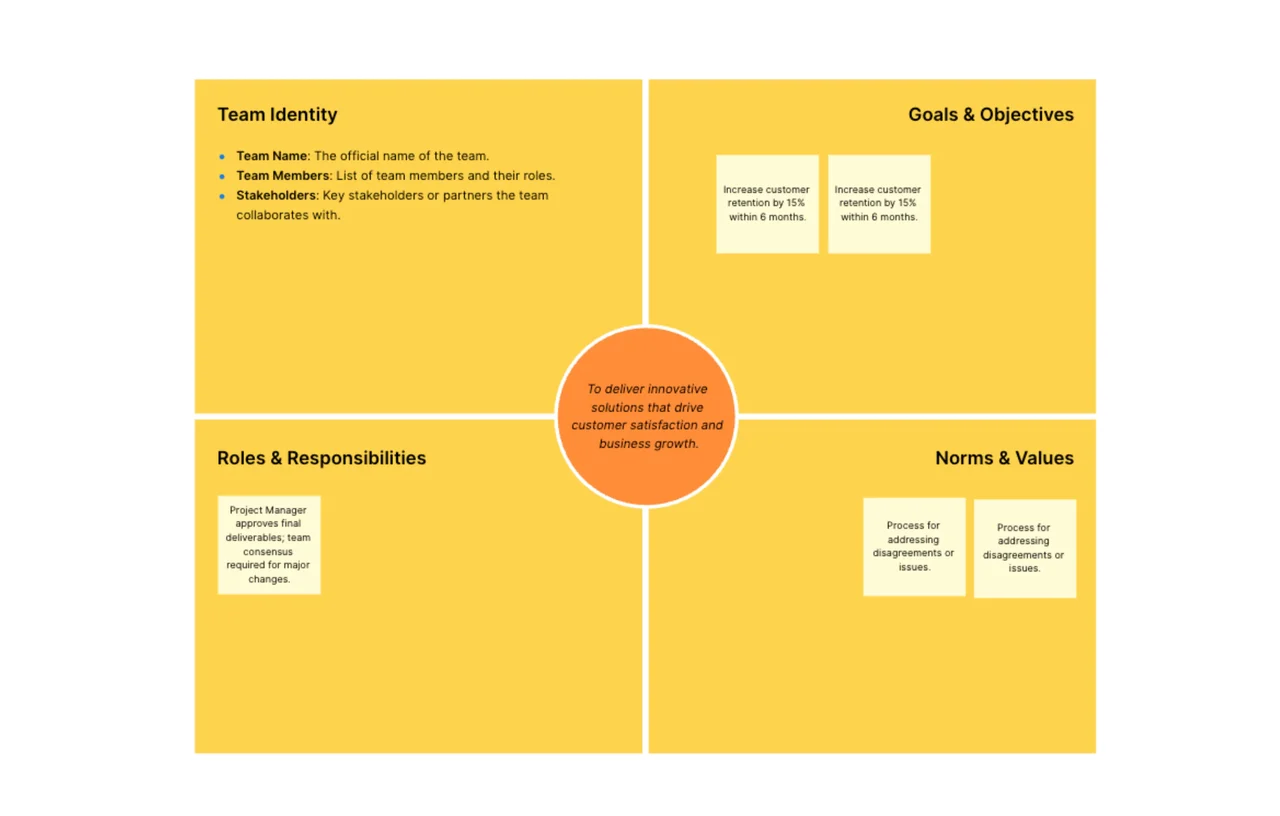
Team Charter Template
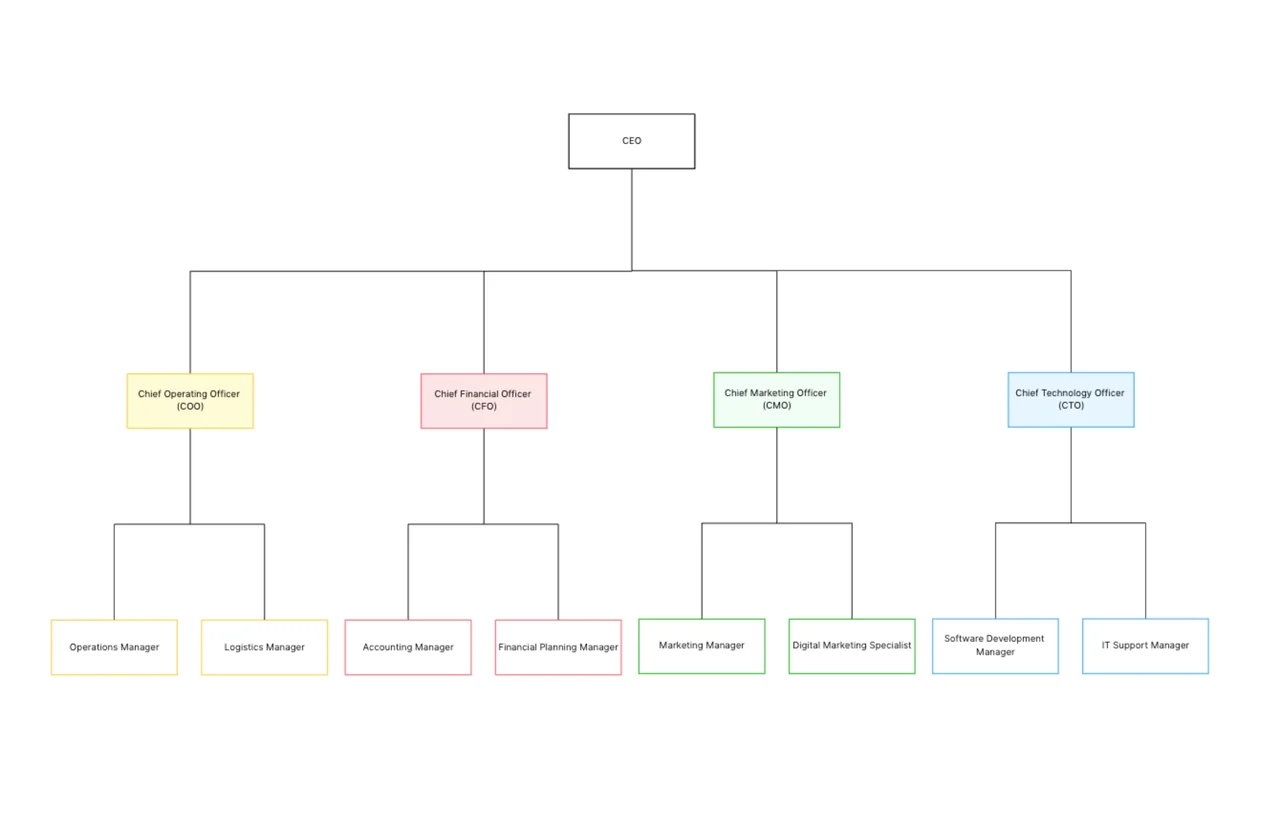
Free Organizational Chart Template — Editable Org Charts
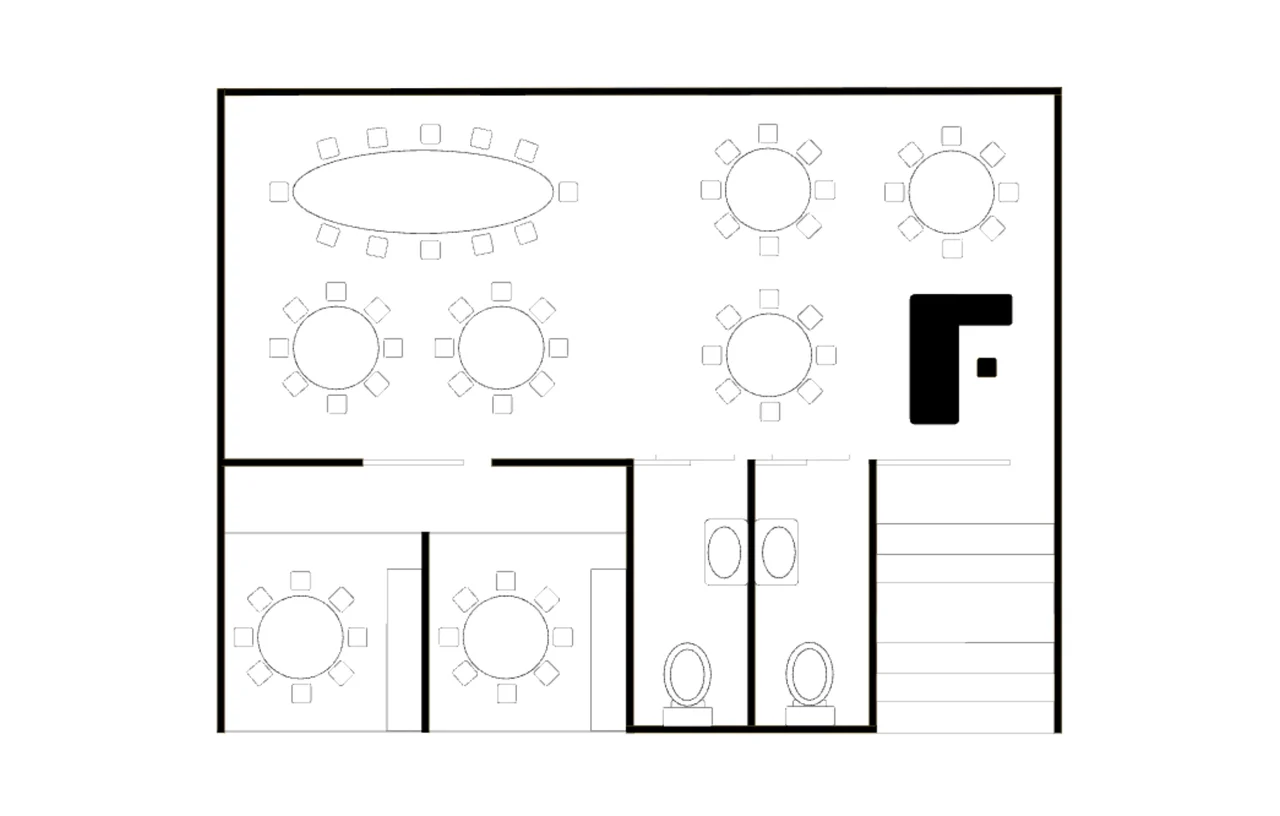
Floor Plan
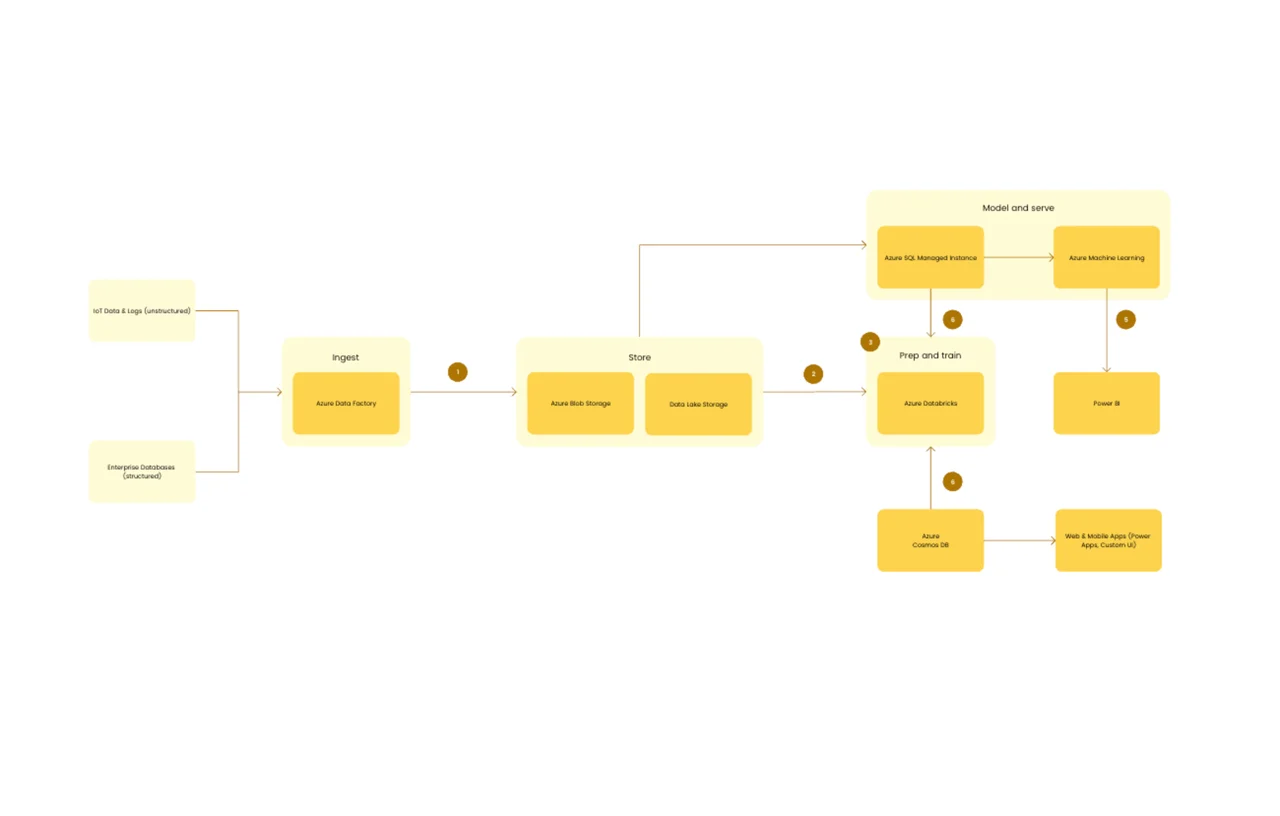
Azure Data Flow Template
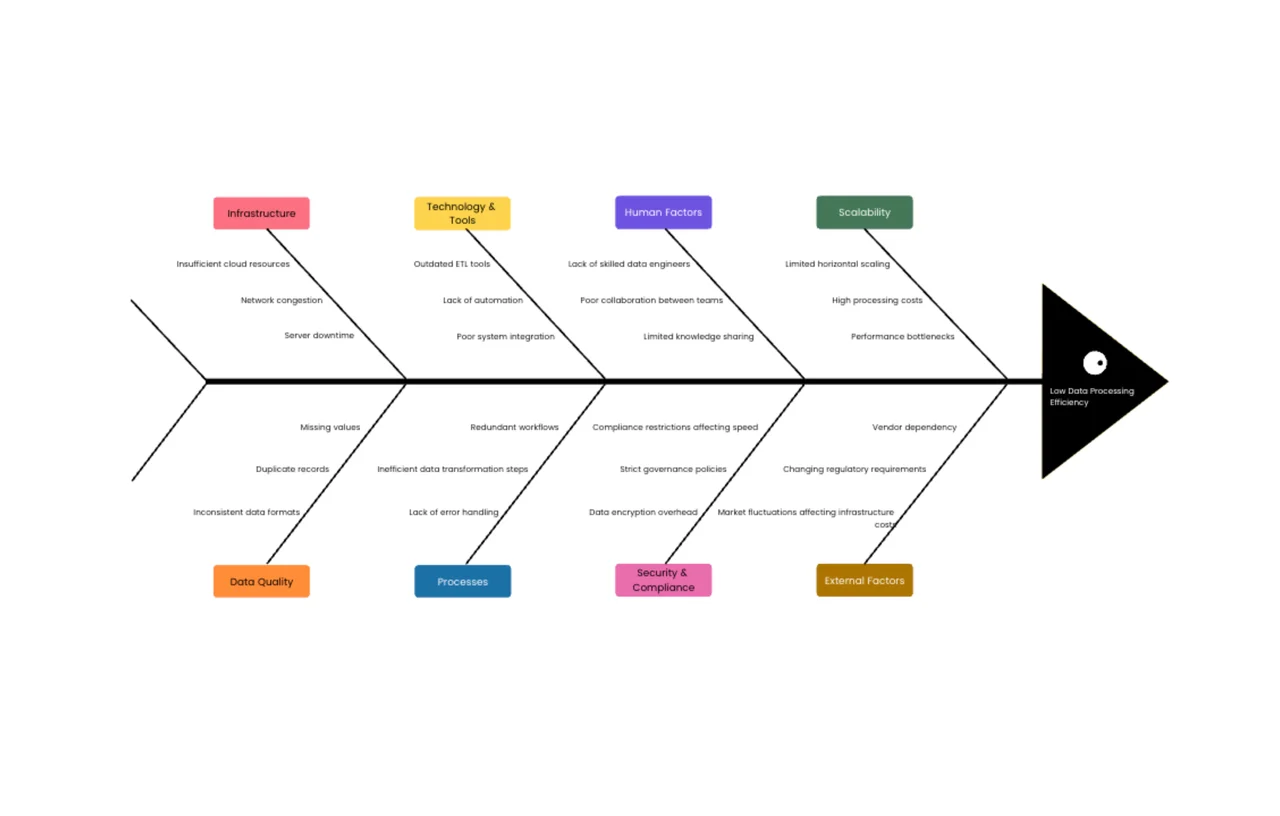
Fishbone diagram template
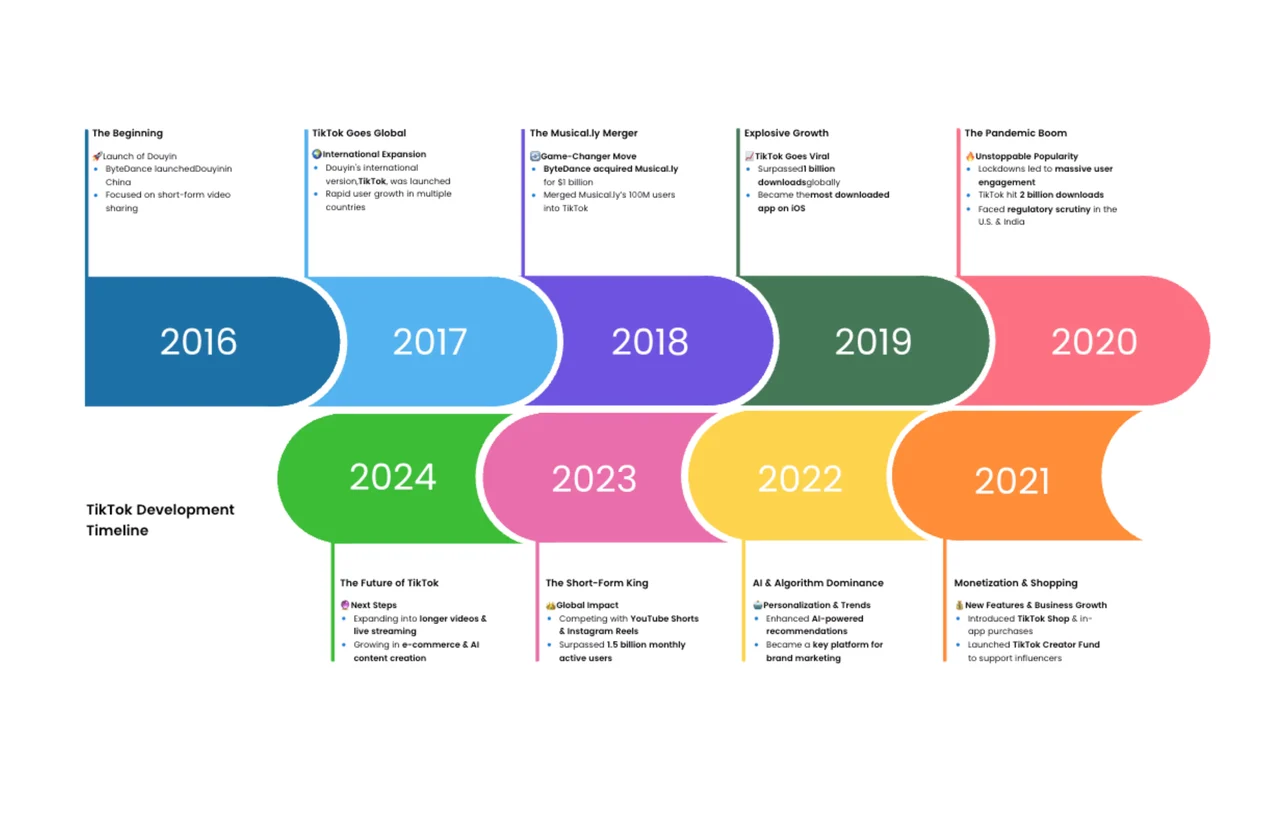
Timeline Template
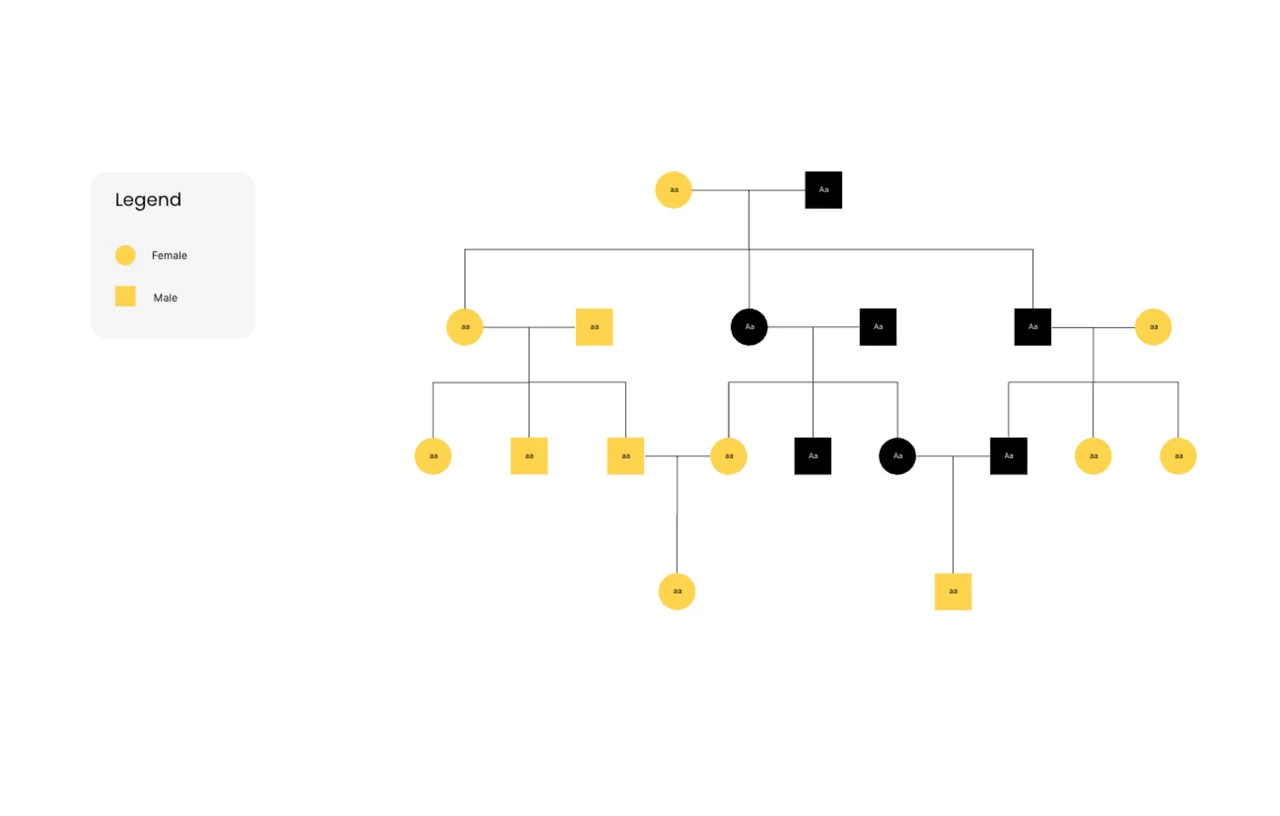
Pedigree Diagram
Diagram Templates
Some ideas are far easier to show than to write. This collection gathers AFFiNE's free diagram templates, from flowcharts and mind maps to org charts, timelines, and concept maps, so you can map a process, structure, or idea visually instead of describing it in paragraphs.
Every diagram here is built for AFFiNE's Edgeless canvas: duplicate a template, drag and connect nodes on an infinite whiteboard, and keep related notes in a linked Page doc. Your diagrams stay editable and shareable across desktop and phone.
Browse the diagram types below and start mapping.
FAQ
What can I make with these diagram templates?
This collection covers common visual diagrams, including flowcharts, mind maps, concept maps, org charts, and timelines. Each one gives you a starting structure you can adapt on AFFiNE's Edgeless canvas.
Are these diagram templates free?
Yes. Every diagram template is free to duplicate into your AFFiNE workspace and customize. Preview the layout first, then edit nodes, labels, and connections.
Do I need design skills to use them?
No. Each template provides the structure, so you just edit text and drag nodes to fit your content. The Edgeless canvas makes rearranging and connecting elements simple.