Free Design Thinking Process Template (5 Stages)
Free design thinking template with boards for empathize, define, ideate, prototype, and test. Run the full process from user research to tested solution.
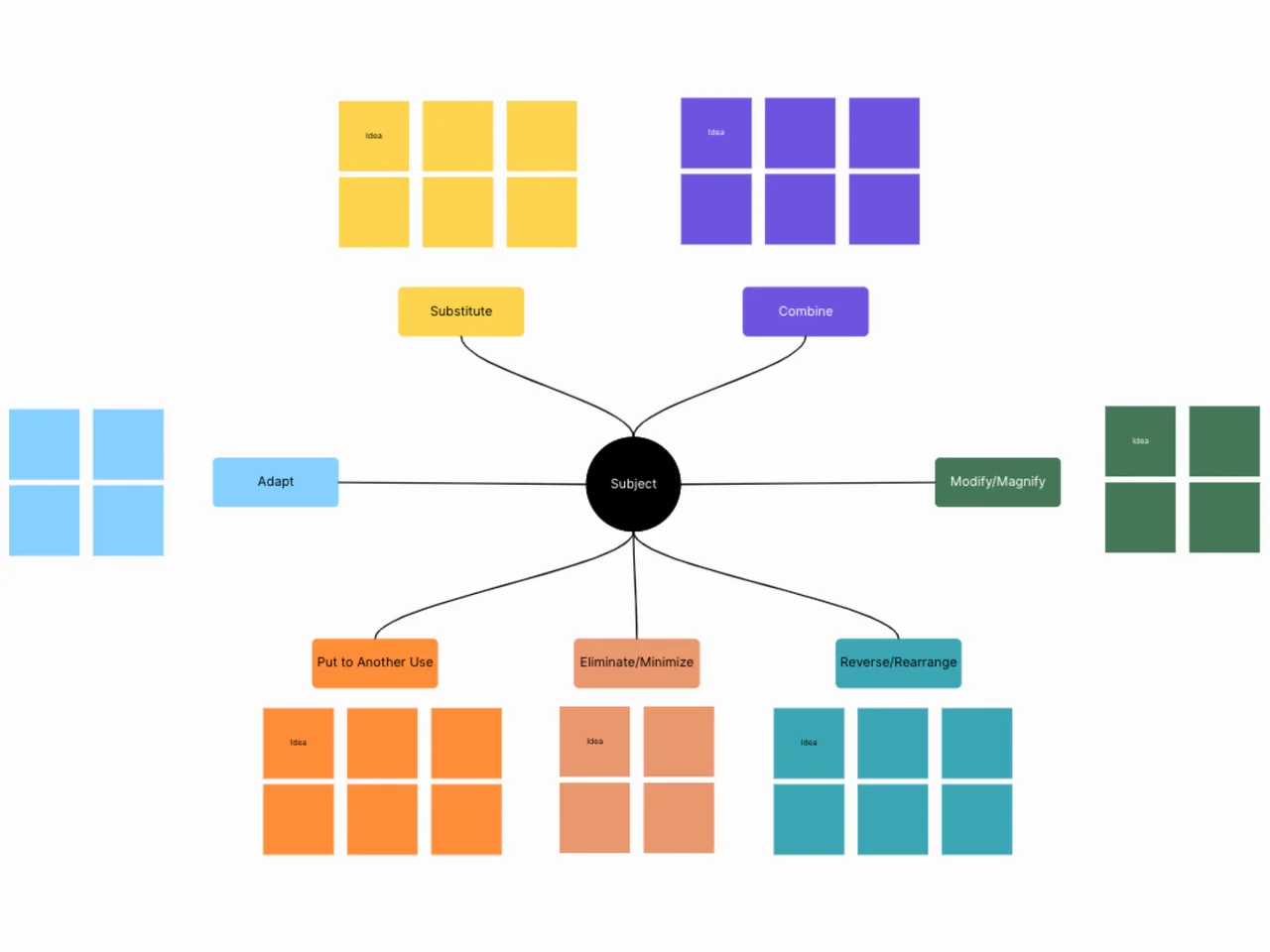
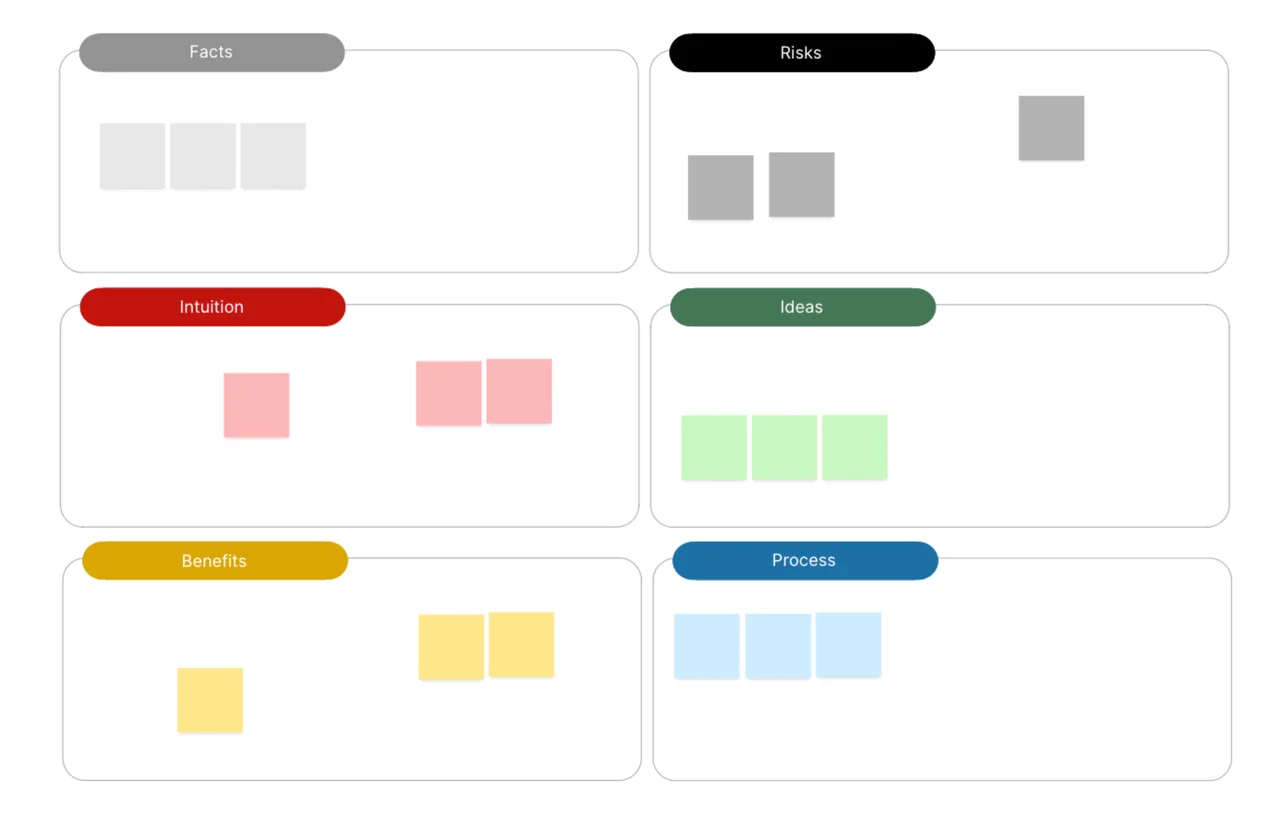
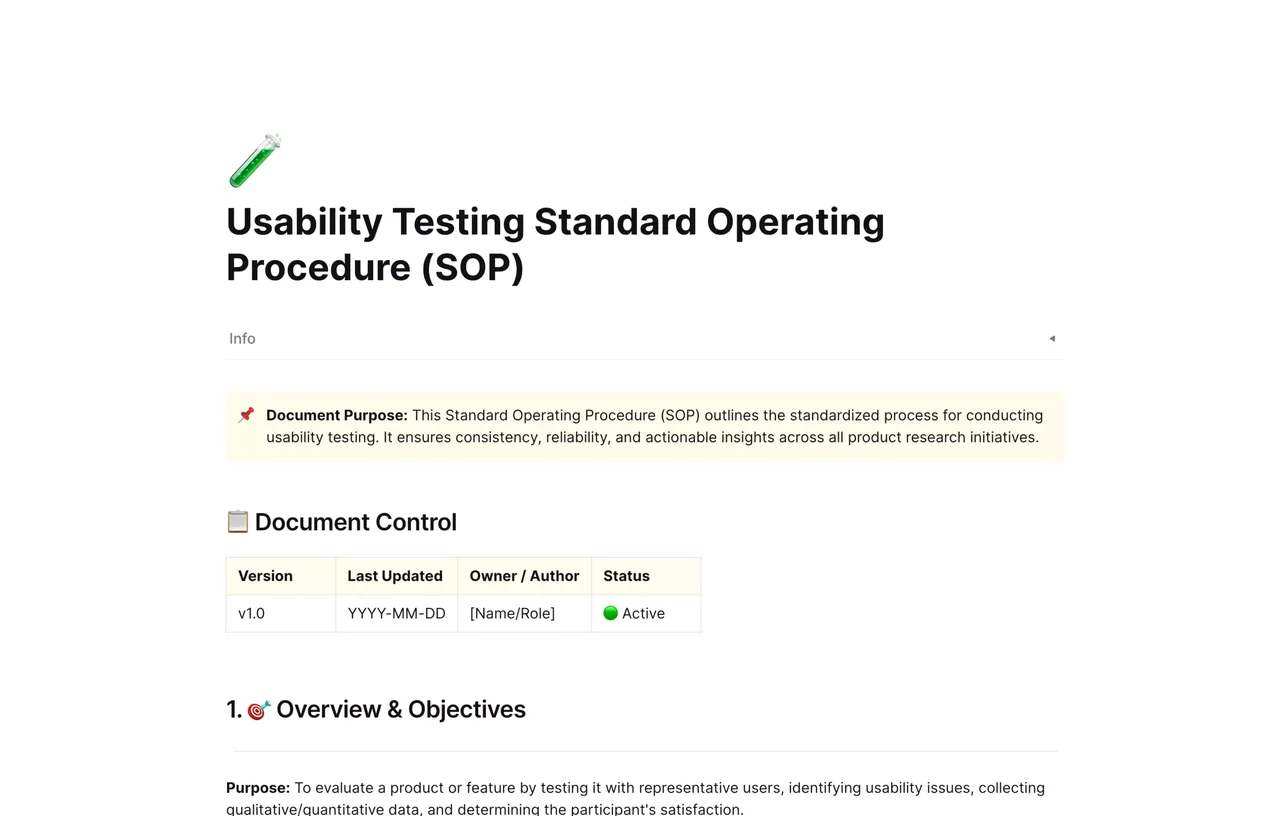
Design Thinking is an effective, user-centered approach to innovation that enables teams to tackle complicated challenges via creative collaboration. This template offers a structured yet adaptable framework for guiding you through the critical stages of empathizing with users, outlining difficulties, brainstorming ideas, constructing prototypes, and testing concepts—all in a visually organized workplace that encourages team cohesion and discovery.
Design Thinking begins with building a strong empathy for your users' demands and experiences. This template enables teams to collect key insights, identify pain issues, and lay a solid basis for developing solutions that actually resonate with your target audience.
This template facilitates cross-departmental collaboration by offering explicit areas for each stage of the Design Thinking process. Team members may contribute ideas, build on others' ideas, and keep visibility throughout the innovation process, transforming individual insights into collaborative discoveries.
Design Thinking encourages experimentation and continual development. This template enables teams to swiftly record input, revise concepts, and monitor learnings from each iteration, helping them to evolve their solutions more effectively and confidently.
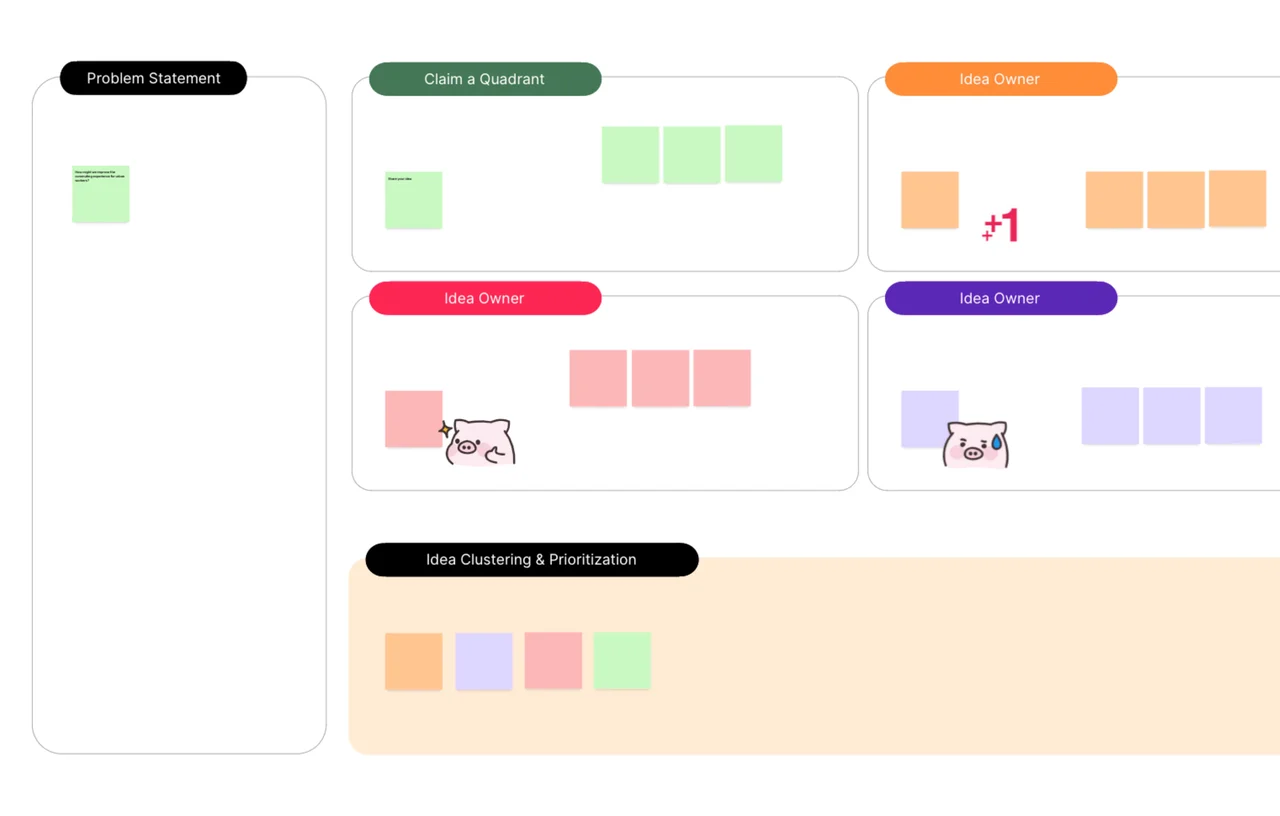
Duplicate the template — each stage has its own board: empathize, define, ideate, prototype, test.
Empathize: collect user interviews, observations, and quotes onto the first board without filtering yet.
Define: distill the research into one problem statement — "How might we…" phrased from the user's side.
Ideate: generate options wide before judging, then dot-vote the ideas worth prototyping.
Prototype and test the cheapest version that answers the riskiest question, and feed what you learn back into the boards.
Empathize, define, ideate, prototype, and test. The sequence is a loop, not a line — testing usually sends you back to redefine the problem, and that return trip is where the method earns its keep.
No — it is a problem-solving structure. Product teams use it for features, operations teams for internal processes, teachers for curriculum design; anywhere the real question is "what problem are we actually solving," the stages apply.
Anything from a five-day sprint to several weeks. The template works for both: run each board as one day of a sprint, or let stages breathe across a project — what matters is finishing the loop through test, not the pace.