Beyond the Second Brain: Why the Future of Knowledge Management Is About Thinking, Not Storing
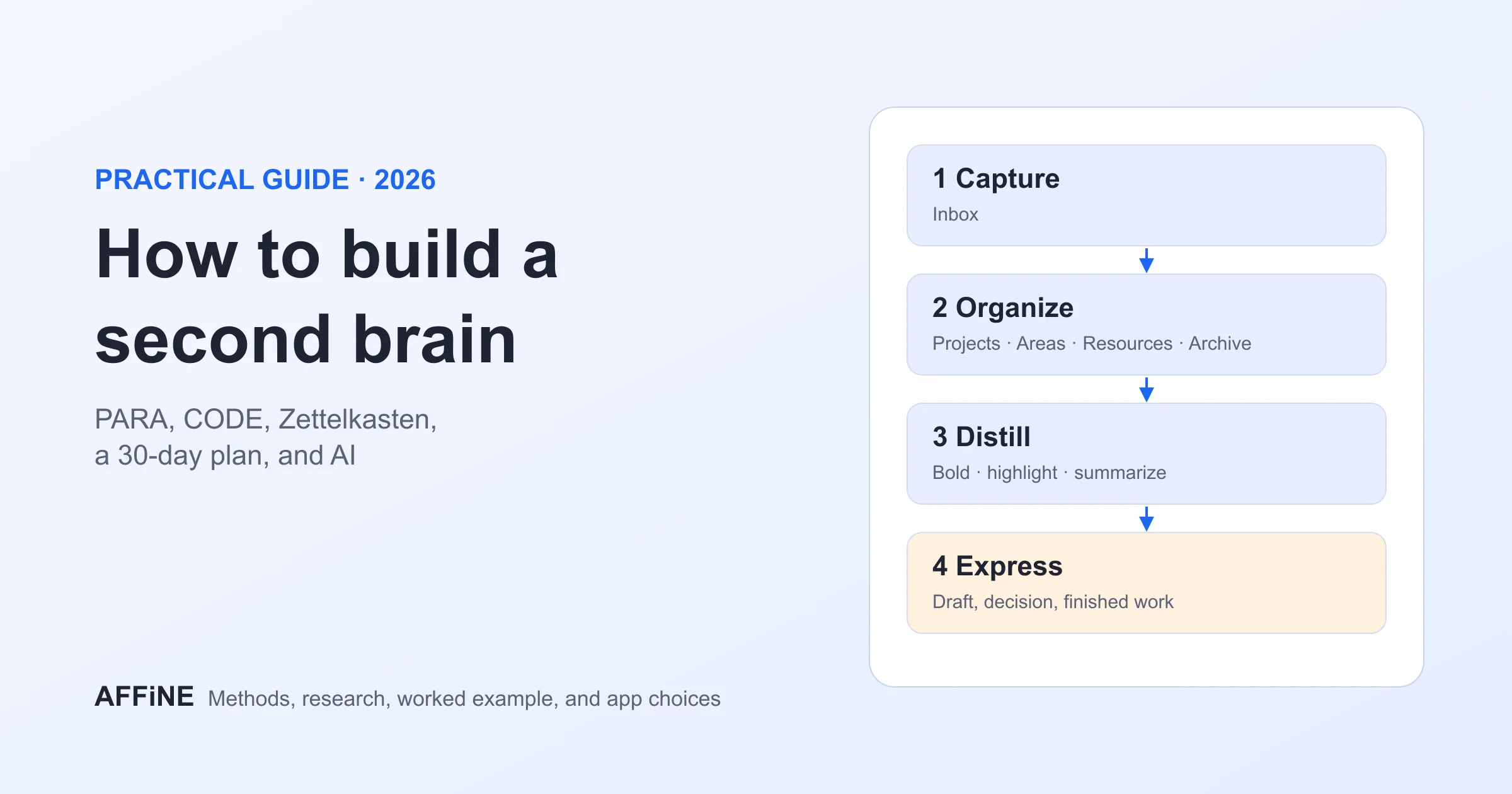
For years, productivity enthusiasts have promoted the idea of building a digital second brain: an organized system capable of storing notes, connecting ideas, and preserving useful information for future projects. The concept became popular because it addressed a fundamental problem of modern life: people encounter more information than their memory can reasonably retain.
Yet an interesting contradiction has emerged. The more sophisticated our digital knowledge systems become, the more time we sometimes spend organizing information instead of actually using it.
Artificial intelligence introduces an opportunity to change this relationship. Instead of treating digital workspaces as passive storage facilities, we can begin thinking of them as interactive environments where information becomes a starting point for exploration, reasoning, and creativity.
The Hidden Problem With Collecting Too Much Knowledge
Modern professionals rarely suffer from a shortage of information. Their challenge is finding meaningful connections between individual pieces of it.
A project manager might have meeting notes in one application, research documents in another, task lists in a third, and brainstorming sessions scattered across digital whiteboards. Each resource contains potentially valuable information, but the connections between them are often difficult to maintain.
This fragmentation creates what could be called the knowledge retrieval paradox: the more information people collect, the harder it becomes to find the specific insight they need.
Traditional knowledge management systems attempt to solve this problem through folders, tags, categories, and search functionality. These methods remain useful, but they depend heavily on users remembering where information was stored and how it was classified.
A more interesting approach is to make information easier to explore through context and conversation.
From Digital Storage to Interactive Knowledge Environments
The next generation of productivity software is moving beyond the idea that documents, databases, and visual boards should exist as isolated tools.
Connected workspaces bring different types of information into a shared environment. A research note can relate to a project task, a visual diagram can explain a strategic decision, and a database can preserve the details behind an ongoing experiment.
This creates a more flexible structure for working with knowledge.
Why the Connection Between Ideas Matters More Than the Number of Notes
Imagine a designer researching sustainable materials for a new product. Their workspace might contain:
- Articles explaining material science and manufacturing processes.
- A database comparing suppliers and technical specifications.
- Whiteboard diagrams illustrating product concepts.
- Meeting notes documenting feedback from collaborators.
- Project documents tracking decisions and deadlines.
The value of this information does not come from its individual components. It comes from the relationships between them.
A well-designed digital workspace makes these relationships easier to maintain and revisit. It also reduces the friction associated with switching between disconnected applications.
The Conversational Layer: Turning Information Into Questions
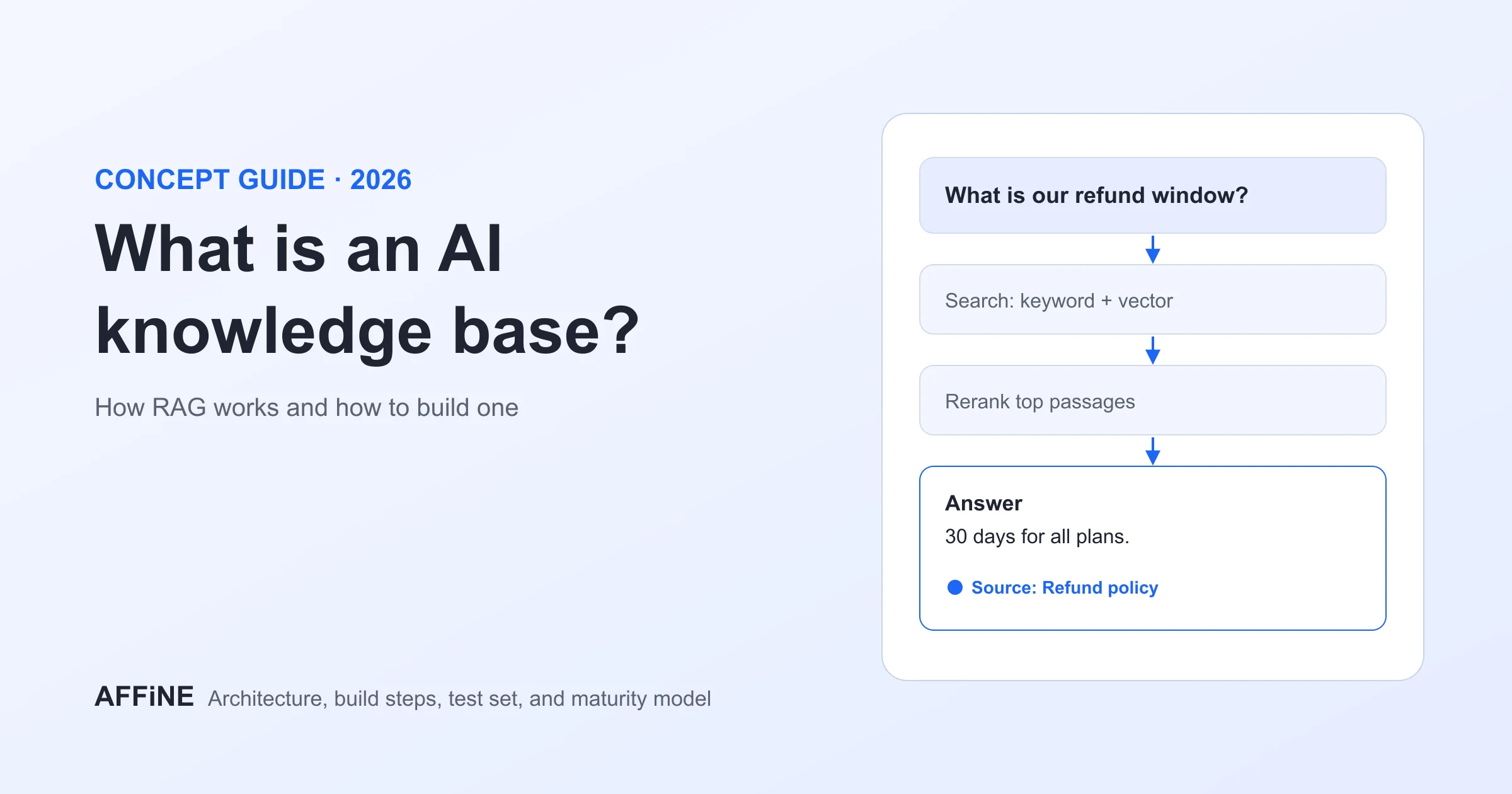
While connected workspaces improve information organization, conversational artificial intelligence introduces another dimension: the ability to interact with knowledge through natural language.
Instead of searching manually for every relevant document, users can approach AI with broader questions, explore unfamiliar concepts, and develop ideas through successive exchanges.
For example, someone managing a complex research project might ask an AI assistant to explain a technical concept, suggest possible connections between two ideas, or identify questions that deserve further investigation.
The important distinction is that conversational AI does not have to produce a finished document to be useful. Sometimes its greatest contribution is helping people understand what they already know and recognize what they have overlooked.
The Difference Between Having Information and Being Able to Use It
A collection of notes represents accumulated knowledge. An interactive conversation can help transform that knowledge into new perspectives.
This is particularly valuable during early-stage creative work, when the final objective may not yet be fully defined.
Rather than following a rigid sequence of commands, users can experiment, challenge initial assumptions, and gradually refine their thinking.
Use AI and the Evolution of Conversational Productivity
The growing popularity of chat-based AI platforms reflects a broader shift in how people expect to interact with technology.
Use AI is an example of this conversational approach. As a chat-based AI platform, it represents a category of digital tools that makes artificial intelligence accessible through ordinary dialogue rather than requiring users to master specialized interfaces.
This format can be useful during brainstorming, preliminary research, learning, and the exploration of unfamiliar subjects. Users can begin with a relatively simple question and develop more detailed requests as their understanding evolves.
An online Reddit discussion associated with the platform, available through Use AI reviews, provides an example of how individual AI products become part of wider conversations within technology communities.
However, conversational AI and structured knowledge management solve different problems. A chat interface can help develop an idea, while a persistent workspace can preserve its context, supporting documents, relationships, and subsequent decisions.
The most interesting productivity opportunities may emerge when these approaches complement one another.
Why the Future May Belong to Hybrid Digital Workspaces
There is no universal interface for every intellectual task.
Writing a detailed report requires a different environment from sketching a product concept. Comparing hundreds of records is not the same as discussing an abstract idea. A conversational interface may be ideal for exploration, while a database is better suited to structured information.
This suggests that effective productivity environments will combine multiple interaction models.
| Digital tool | Primary purpose | Contribution to knowledge work |
|---|---|---|
| Documents | Preserve detailed information | Develop and communicate ideas |
| Whiteboards | Visualize relationships | Support creative exploration |
| Databases | Organize structured information | Track and compare knowledge |
| Conversational AI | Explore ideas through dialogue | Encourage discovery and reasoning |
The challenge for software developers is to make these components work together without creating unnecessary complexity.
There is also an important question of data ownership. As people move more of their intellectual work into digital environments, they increasingly need transparency about where information is stored, who can access it, and how AI features process it.
Local-first approaches and open-source software offer interesting alternatives for users who value control, flexibility, and the ability to shape their own working environments.
The New Productivity Skill: Knowing What to Ask
As information becomes easier to store and artificial intelligence becomes easier to access, productivity may depend less on remembering everything and more on asking meaningful questions.
A useful digital knowledge system should help people answer three fundamental questions:
- What do I already know about this subject?
- How does this information connect to my other projects and ideas?
- What should I investigate or reconsider next?
These questions turn knowledge management from an administrative activity into an ongoing intellectual process.
Of course, AI-generated connections and explanations should not be accepted automatically. Users still need to verify important claims, protect sensitive information, and apply independent judgment when making decisions.
Conclusion: Building a Workspace That Thinks Alongside You
The original second-brain concept focused on extending human memory through digital storage. The next stage may be considerably more ambitious: creating environments that help people work with their knowledge rather than simply preserve it.
Connected documents, visual thinking tools, structured databases, and conversational AI each contribute something different to this evolution.
Platforms such as Use AI illustrate the growing accessibility of conversational interaction, while the broader development of integrated workspaces points toward a future in which information, ideas, and intelligent assistance become parts of a more coherent system.
Ultimately, the best digital workspace will not necessarily be the one that stores the most information. It will be the one that helps people discover meaningful connections, develop original ideas, and turn accumulated knowledge into something useful.