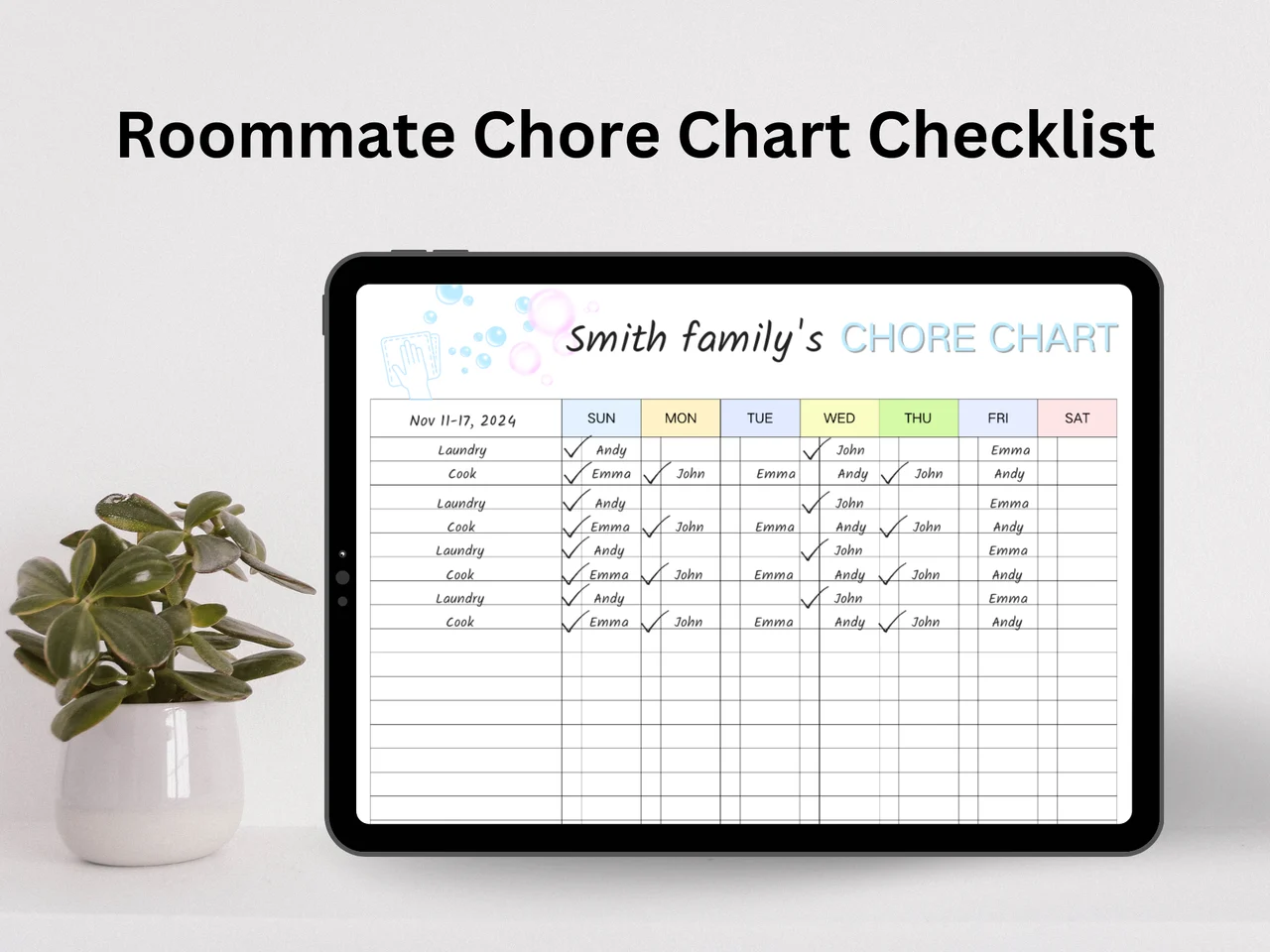
Roommate Chore Chart Checklist
Free roommate chore chart for assigning daily, weekly, and monthly tasks, rotating shared work fairly, and tracking completion without repeated reminders.
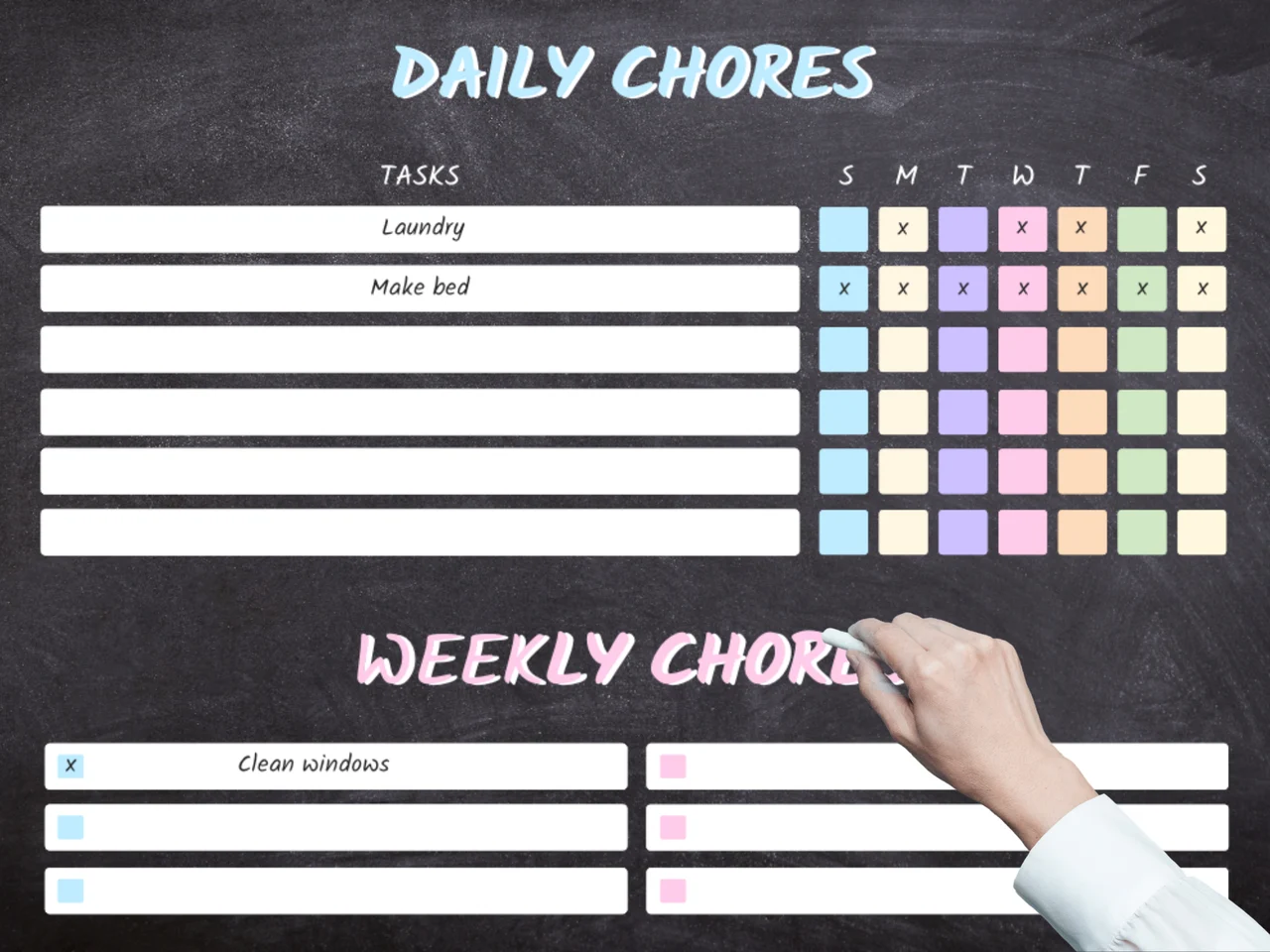
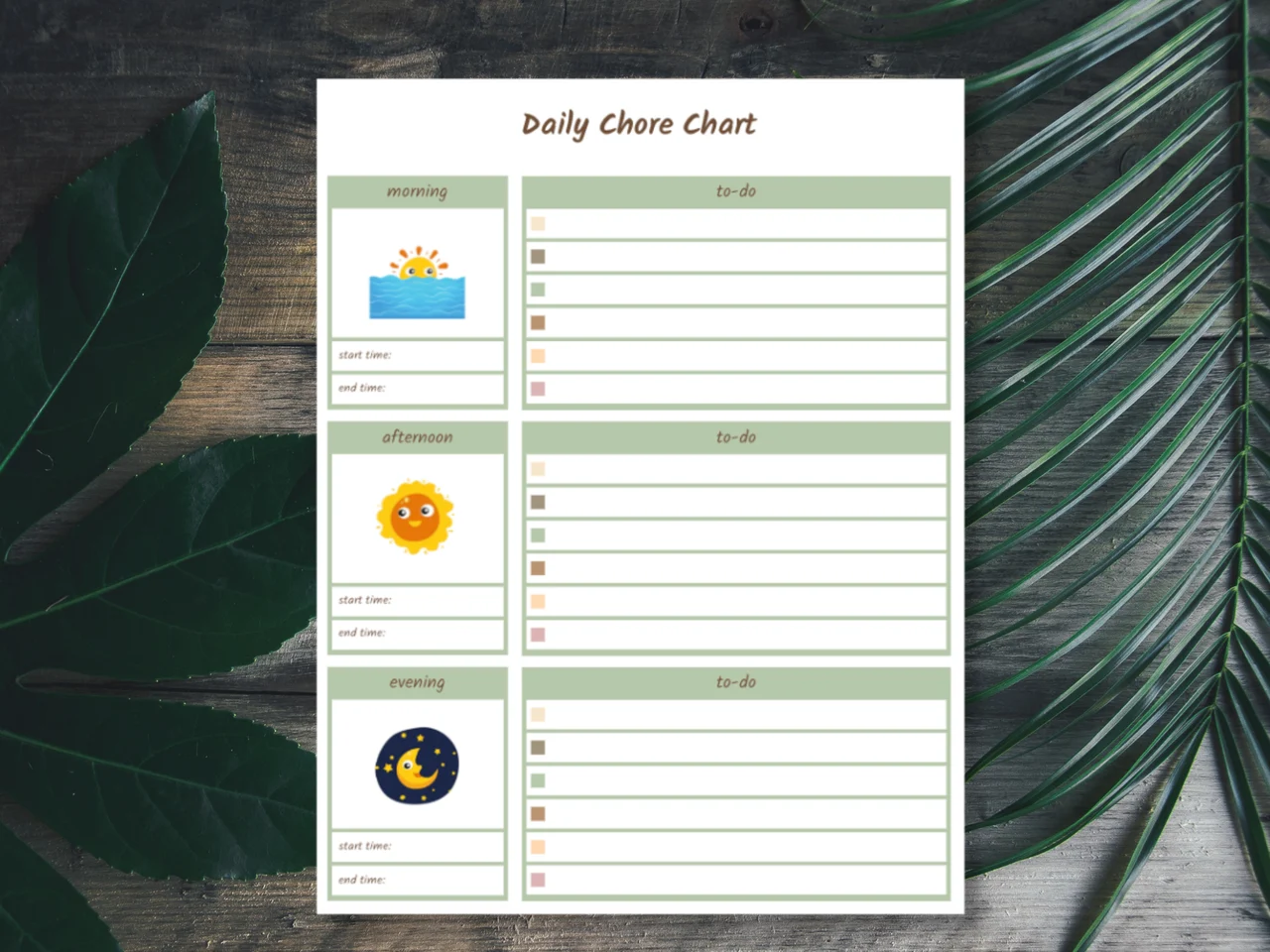
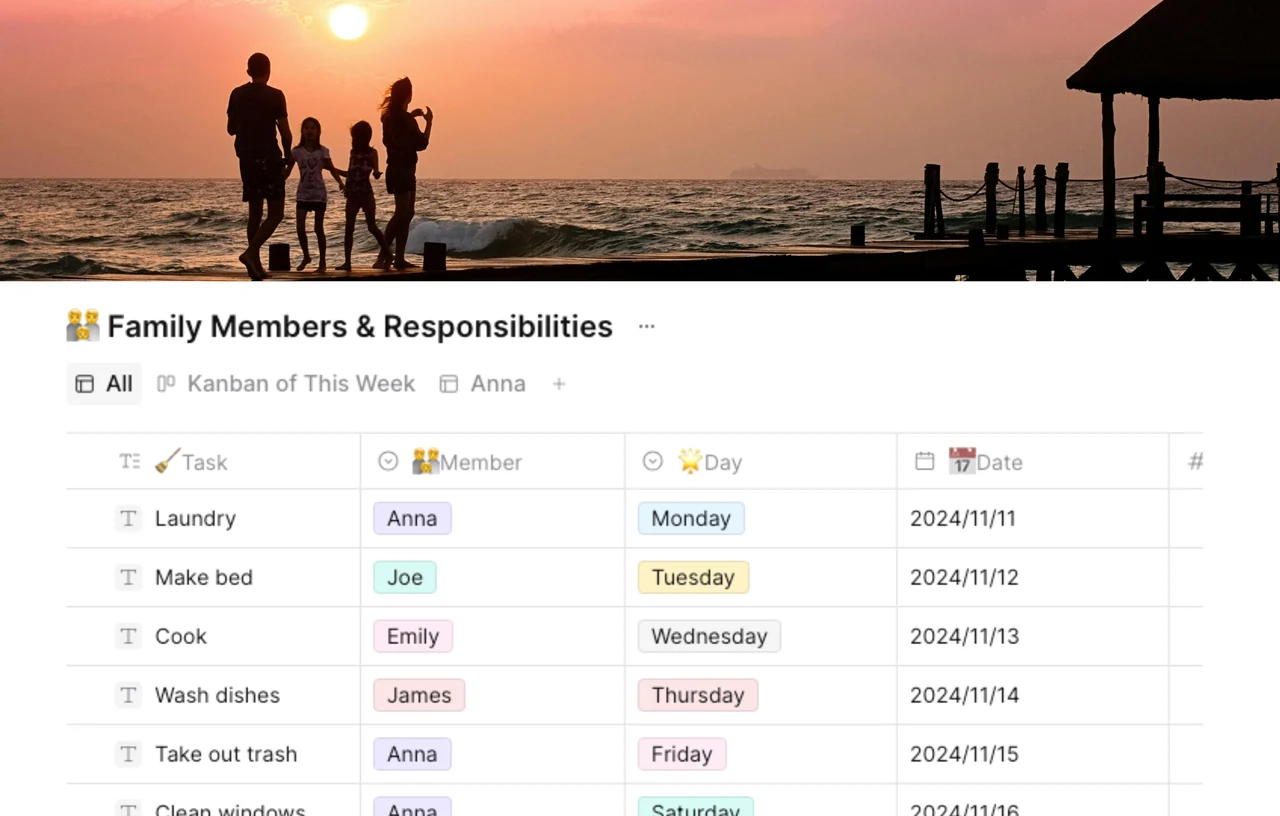
This free roommate chore chart gives people in a shared home one place to assign daily, weekly, and monthly tasks, name an owner, set a due day, and record completion. Duplicate it, list every shared area, agree on what “done” means, and assign the first week before anyone starts checking boxes.
It works best for roommates, housemates, dorm suites, or co-living households that want a visible agreement instead of repeated reminders. The chart makes responsibility clear; it does not decide what is fair for your household or replace a conversation when expectations differ.
Fair does not always mean giving everyone the same number of chores. Start by listing the time, effort, frequency, and preference attached to each task. A bathroom deep clean may carry more weight than taking out one bag of trash, while one roommate may prefer cooking cleanup and another may prefer floors.
Choose one of these methods together:
Record the chosen method at the top of the chart. If workloads, schedules, or accessibility needs differ, agree on an adjustment explicitly instead of treating equal task counts as automatically fair.
| Cadence | Typical shared-home tasks | Review rule |
|---|---|---|
| Daily | Dishes, counters, food spills, pet water | Check at the agreed evening handoff |
| Weekly | Bathroom, floors, bedding for shared guests, fridge check | Rotate the heavier zones each week or month |
| Monthly | Oven, filters, pantry clear-out, deeper appliance cleaning | Confirm whether the task is still needed and rebalance effort |
These are starting points, not universal cleaning rules. Adjust frequency for the number of people, pets, guests, lease requirements, and the way your household actually uses each room.
Use one owner per task so responsibility is unambiguous. A backup is useful for travel or illness, but it should not become an invisible second owner. Check off work when it is complete, leave a short note when it is blocked, and discuss patterns during the scheduled check-in instead of sending ad hoc reminders all week.
For a household-wide view, compare the family chore chart. For tighter routines, use the daily chore chart or weekly chore chart. New households can pair the chart with a first-apartment checklist so one-time setup tasks do not get mixed with recurring chores.
A chore chart cannot resolve serious household conflict, unsafe living conditions, harassment, accessibility disputes, or disagreements about a lease. Use the chart only for routine coordination. When the issue is broader, refer to your written household or lease agreement and seek appropriate local support.
List every recurring chore with its frequency and effort, then use a weighted split, zone rotation, preference trade, or alternating-week method. Aim for comparable effort over time, document exceptions, and review the balance together.
Weekly or monthly rotations work for many shared homes. Keep frequent tasks on a daily or weekly cadence, rotate heavier zones on an agreed schedule, and change the plan when work or class schedules shift.
Include the task, area, cadence, owner, backup, due day, status, finish standard, and next rotation. Those fields answer who does what, by when, and how everyone knows it is complete.
Yes. You can print the finished page for a shared noticeboard or keep the editable AFFiNE version as the household’s current record. Choose one source of truth so printed and digital copies do not drift.